Https Martin-casino-deutschland Net: Beliebte Videopoker-Varianten im Online-Casino
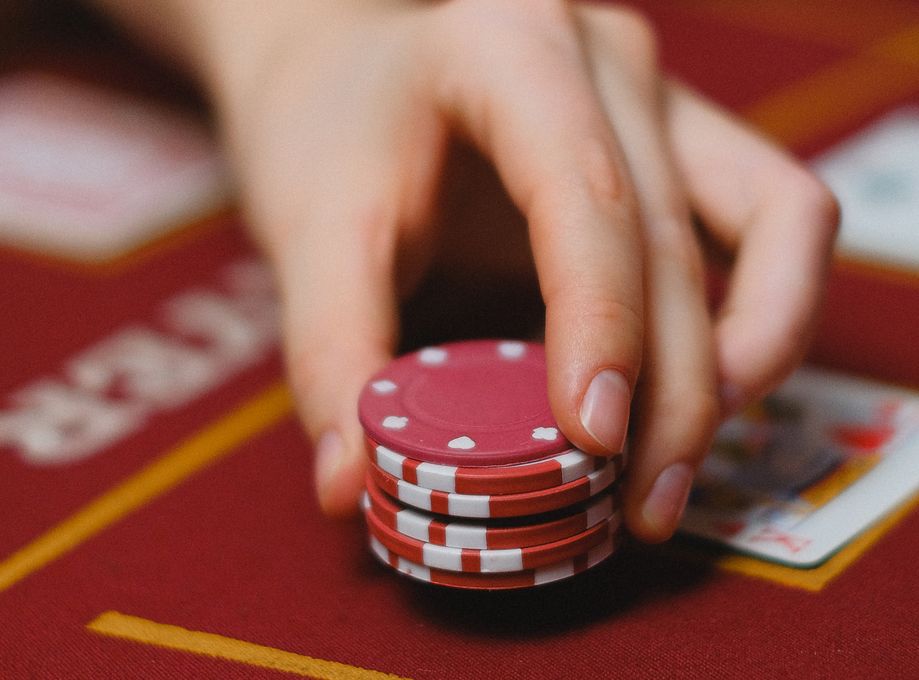
Online Casino: Spielautomaten und Live-Spiele im Überblick

Die Welt der Online-Poker-Varianten ist vielfältiger als viele denken. Von klassischen Tischspielen bis hin zu modernen Videopoker-Automaten gibt es unzählige Möglichkeiten, sein Poker-Glück zu versuchen. Viele der besten Plattformen im Bereich Online-Glücksspiel bieten diese Vielfalt, um unterschiedliche Spielerpräferenzen zu bedienen. Während einige Spieler den sozialen Aspekt von Live-Poker bevorzugen, zieht es andere in die anonyme Welt der Videopoker-Maschinen. Die Plattform martin-casino-deutschland.net zeigt exemplarisch, wie moderne Online-Casinos verschiedene Poker-Varianten kombinieren, um ein umfassendes Spielerlebnis zu bieten.

Um die Vielfalt der Poker-Varianten im Online-Casino wirklich zu verstehen, ist es wichtig, die grundlegenden Unterschiede zwischen klassischen Pokerspielen und Videopoker zu kennen. Klassisches Poker wird oft gegen andere Spieler gespielt, während Videopoker gegen die Maschine gespielt wird. Diese Unterschiede beeinflussen nicht nur die Spielstrategie, sondern auch die Art und Weise, wie Siege gefeiert werden können. Erfahrungsberichte zu https://martin-casino-deutschland.net/ liefern eine erste Orientierung im deutschen Markt. Während im Live-Poker die Bluff-Fähigkeiten und das Lesen der Gegner eine entscheidende Rolle spielen, konzentriert sich Videopoker mehr auf optimale Entscheidungen bei gegebenen Karten.

Die grundlegenden Unterschiede zwischen Videopoker und Casino-Poker

Gameplay und Interaktionslevel

Der wichtigste Unterschied zwischen Videopoker und traditionellem Casino-Poker liegt im Gameplay und im Interaktionslevel. Beim Videopoker spielt man gegen eine Maschine, die zufällig Karten verteilt. Das Spiel ist weitgehend anonym und erfordert keine sozialen Interaktionen. Dagegen ist traditionelles Poker ein soziales Spiel, bei dem Spieler direkt miteinander interagieren. Bei Texas Hold’em oder Omaha beispielsweise sitzen die Spieler an einem Tisch, beobachten ihre Gegner und versuchen, Tells und Schwächen zu erkennen. Diese soziale Komponente fehlt bei Videopoker vollständig, stattdessen steht der mathematische Aspekt im Vordergrund.

Strategie und Glückselemente

Während beide Spieltypen Elemente von Strategie und Glück kombinieren, verhalten sich diese Aspekte unterschiedlich. Bei Videopoker ist die optimale Strategie mathematisch berechenbar und kann perfektioniert werden. Es gibt eine richtige Entscheidung für jede mögliche Handkombination. Traditionelles Poker hingegen erfordert Anpassungsfähigkeit, da man auf die menschlichen Faktoren der Gegner reagieren muss. Die beste Strategie für eine Situation in Texas Hold’em kann völlig anders sein, wenn sich die Spieler am Tisch ändern. Diese Komplexität macht traditionelles Poker anspruchsvoller, aber auch für viele attraktiver.

Beliebte Videopoker-Varianten im Online-Casino

Jacks or Better

Jacks or Better ist eine der klassischsten und beliebtesten Videopoker-Varianten. Das Spiel verwendet ein Standard-52-Kartenblatt ohne Joker. Der Name “Jacks or Better” kommt daher, dass man mindestens ein Paar Buben oder eine höhere Kombination benötigt, um zu gewinnen. Diese Variante ist ideal für Anfänger, da sie relativ einfach zu verstehen ist und eine grundlegende Strategie vermittelt. Die Auszahlungsstruktur ist fair und bietet eine reasonable Rückzahlungsrate, wenn man die richtige Strategie anwendet. Viele Online-Casinos bieten Jacks or Better mit unterschiedlichen Einsatzlimits an, sodass sowohl Low-Roller als auch High-Roller finden, was zu ihrem Spielstil passt.

Deuces Wild

Deuces Wild ist eine aufregende Variante des Videopokers, bei der alle zweien (Deuce) als Joker fungieren. Das bedeutet, dass jede zweier Karte jede andere Karte ersetzen kann, um die bestmögliche Hand zu bilden. Diese Regel erhöht die Chancen auf gute Hände erheblich und verändert die grundlegende Strategie signifikant. In Deuces Wild ist sogar eine Royal Flush ohne König oder Ass möglich, da die fehlenden Karten durch Deuce ersetzt werden können. Diese Variante bietet höhere Auszahlungen für bestimmte Hände, macht aber auch die Entscheidung über behaltene Karten komplexer. Spieler, die eine Herausforderung suchen, schätzen oft diese Variante wegen ihres strategischen Tiefgangs.

Double Bonus Poker

Double Bonus Poker ist eine Videopoker-Variante, die höhere Auszahlungen für bestimmte Hände bietet, insbesondere für Viersame. Im Vergleich zu Jacks or Better gibt es deutlich höhere Gewinne für Four of a Kind mit bestimmten hohen Karten. Diese höhen Auszahlungen kommen jedoch mit angepassten Auszahlungen für andere Hände, was die Strategie beeinflusst. Double Bonus Poker erfordert eine präzise Strategie, die sich von vielen anderen Videopoker-Varianten unterscheidet. Spieler, die gerne mathematische Herausforderungen mögen, schätzen diese Variante wegen ihrer anspruchsvollen Entscheidungsfindung. Die Auszahlungsrate kann bei perfekter Spielweise sehr hoch sein, macht Double Bonus Poker zu einer attraktiven Option für erfahrene Videopoker-Spieler.

Live-Casino-Poker-Varianten und ihre Besonderheiten

Texas Hold’em im Live-Casino

Texas Hold’em ist die mit Abstand beliebteste Pokervariante im Live-Casino und online. Bei dieser Variante erhalten jeder Spieler zwei verdeckte Karten, gefolgt von fünf Gemeinschaftskarten, die offen gelegt werden. Spieler müssen die beste Hand aus ihren eigenen Karten und den Gemeinschaftskarten bilden. Live-Casino-Varianten bieten oft verschiedene Limits an, von Low-Stakes-Tischen bis zu High-Roller-Spielen. Der soziale Aspekt ist hier besonders ausgeprägt, da Spieler direkt miteinander interagieren können, sei es durch Small Talk oder durch das Lesen von Tells. Moderne Online-Casinos streamen diese Spiele mit echten Dealern aus speziellen Studios, um das authentische Casinofeeling zu Hause zu reproduzieren.

Three Card Poker

Three Card Poker ist eine schnellere, einfachere Pokervariante, die sowohl in Live-Casinos als auch online sehr beliebt ist. Wie der Name schon sagt, spielen jeder Spieler und der Dealer mit drei Karten. Spieler setzen gegen den Dealer, nicht gegeneinander. Das Spiel ist schnell erlernt und bietet aufregende Action in kurzer Zeit. Die einfache Regelstruktur macht Three Card Poker ideal für Spieler, die ein schnelles und unterhaltsames Casinopoker-Erlebnis suchen. Viele Live-Casinos bieten diese Variante an, und Online-Plattaten haben eigene Versionen mit verschiedenen Designelementen und Geschwindigkeitsstufen. Die geringe Komplexität im Vergleich zu Texas Hold’em macht Three Card Poker zu einer guten Wahl für Anfänger oder Spieler, die eine Abwechslung suchen.

Cara y Cruz

Cara y Cruz, auch als Three Card Poker bekannt, ist eine besonders einfache und schnelle Pokervariante, die in einigen Live-Casinos angeboten wird. Das Konzept ist sehr einfach: Spieler und Dealer erhalten jeweils drei Karten, und es wird verglichen, wer die bessere Hand hat. Das Besondere an dieser Variante ist ihre Geschwindigkeit und Einfachheit – es gibt keine komplexen Setzrunden oder Strategien zu lernen. Cara y Cruz ist ideal für Spieler, die ein schnelles und unkompliziertes Pokerspiel ohne lange Wartezeiten suchen. Die niedrige Einstiegshürde macht es zu einer beliebten Wahl für Casual-Spieler und Anfänger im Live-Casino. Obwohl das Glück eine größere Rolle als bei komplexeren Pokervarianten spielt, bietet es trotzdem ein unterhaltsames Spielerlebnis.

Vergleich der Auszahlungsquoten und Hausvorteile

Ein entscheidender Faktor bei der Wahl zwischen verschiedenen Poker-Varianten ist die Auszahlungsquote und der Hausvorteil. Bei Videopoker sind diese Werte mathematisch berechenbar und variieren je nach Variante und eingesetzter Strategie. Bei optimaler Spielweise können einige Videopoker-Varianten Auszahlungsquoten von über 99,5% erreichen, was sie zu einigen der besten Casinospiele macht. Traditionelles Live-Poker hat keinen Hausvorteil im klassischen Sinne, da das Casino nur durch Rake (eine kleine Gebühr pro Pot) oder Turniergebühren verdient. Die Situation ist bei Pokerspielen gegen das Casino wie Three Card Poker oder Cara y Cruz anders – hier hat das Casino

Woran man ein seriöses Online Casino erkennt

Kriterium Warum es zählt
Lizenz Legale Angebote stehen unter deutscher oder EU-Aufsicht
Auszahlungsquote Faire Slots veröffentlichen ihre RTP-Werte
Bonusbedingungen Umsatzbedingungen zählen mehr als der Bonusbetrag
Auszahlungsdauer Schnelle Auszahlungen zeigen finanzielle Stabilität
Kundendienst Deutscher Support hilft bei Problemen sofort weiter

Häufige Fragen

Was tun, wenn Spielen zum Problem wird?
Sofortige Einzahlungslimits oder eine Spielsperre über OASIS setzen und Beratungsstellen wie die BZgA nutzen.

Sind Gewinne aus dem Online Casino steuerfrei?
In Deutschland bleiben Glücksspielgewinne für private Spieler grundsätzlich steuerfrei, weil auf Einsätze bereits Abgaben erhoben werden.

Wie lange dauern Auszahlungen im Online Casino?
Bei seriösen Anbietern dauert eine Auszahlung mit geprüften Zahlungsmethoden in der Regel ein bis drei Werktage.

การเล่นเกมคาสิโนอย่างปลอดภัยในยุคดิจิทัล: แนวโน้มอนาคตของ “ฟรีสปิน” เพื่อส่งเสริมการเล่นอย่างรับผิดชอบ

เทคโนโลยีดิจิทัลได้เปลี่ยนโฉมหน้าของอุตสาหกรรมคาสิโนอย่างรวดเร็ว ตั้งแต่การเปิดตัวเกมออนไลน์บนมือถือจนถึงการใช้บล็อกเชนเพื่อทำธุรกรรม การเข้าถึงเกมพนันไม่เคยง่ายและรวดเร็วเท่านี้มาก่อน การเปลี่ยนแปลงนี้นำมาซึ่งโอกาสใหม่ ๆ แต่ก็สร้างความท้าทายด้านความปลอดภัยและการเล่นอย่างรับผิดชอบด้วย

ในยุคที่ผู้เล่นสามารถสมัครสมาชิกและรับโบนัสโดยไม่ต้องผ่านขั้นตอน KYC (Know Your Customer) หรือทำธุรกรรมด้วย cryptocurrency payments ความเสี่ยงของการเสพติดและการเสียเงินเกินกำลังอาจเพิ่มสูงขึ้น การศึกษาและการให้ข้อมูลที่ชัดเจนจึงกลายเป็นหัวใจของคาสิโนสมัยใหม่ ผู้ให้บริการที่มุ่งเน้น Safe Gaming จะต้องผสานการสอนผู้เล่นเกี่ยวกับการตั้งค่าขีดจำกัดส่วนบุคคล การอ่านค่า RTP (Return to Player) ของเกม และการใช้เครื่องมือแจ้งเตือนเพื่อควบคุมพฤติกรรมการเล่น

สำหรับข้อมูลเพิ่มเติมเกี่ยวกับแนวทางการเล่นอย่างรับผิดชอบ สามารถเยี่ยมชม https://puechkaset.com/ ซึ่งเป็นแหล่งข้อมูลที่รวบรวมแนวปฏิบัติและคำแนะนำจากผู้เชี่ยวชาญด้านการพนันอย่างเป็นกลาง

การผสานความบันเทิงกับการศึกษาเป็นแนวทางที่ไม่เพียงช่วยลดความเสี่ยง แต่ยังสร้างประสบการณ์ที่ยั่งยืนและมีคุณค่าให้กับผู้เล่นในระยะยาว

1. การเปลี่ยนแปลงแนวคิดจาก “ความบันเทิง” สู่ “การศึกษา”

ในอดีต คาสิโนถูกมองว่าเป็นสถานที่ให้ความสนุกสนานและความตื่นเต้นเท่านั้น แต่เมื่อข้อมูลเกี่ยวกับปัญหาการพนันเริ่มถูกเผยแพร่ ผู้กำกับดูแลและผู้ให้บริการต้องปรับตัวเพื่อรับมือกับความคาดหวังของสังคมที่ต้องการความรับผิดชอบมากขึ้น การเปลี่ยนแปลงนี้เริ่มจากการเปลี่ยนโฟกัสของการตลาดจาก “เพลิดเพลิน” ไปสู่ “ความเข้าใจ”

ผู้เล่นใหม่มักไม่รู้จักศัพท์เช่น volatility หรือ wagering requirement การให้ความรู้พื้นฐานเหล่านี้ผ่านบทความสั้น ๆ หรือวิดีโอสาธิตทำให้พวกเขาตัดสินใจได้ดีขึ้น ตัวอย่างเช่น เว็บไซต์คาสิโนบางแห่งได้เพิ่ม “ศูนย์ความรู้” ที่อธิบายวิธีคำนวณค่า RTP ของเกมสลอตยอดนิยม เช่น Starburst (RTP 96.1%) หรือ Gonzo’s Quest (RTP 95.97%)

การศึกษาไม่ได้หมายถึงการบังคับ แต่เป็นการให้เครื่องมือที่ผู้เล่นสามารถใช้เพื่อประเมินความเสี่ยงของตนเอง การนำเสนอข้อมูลเกี่ยวกับอัตราการจ่าย (paylines) หรือการอธิบายว่าการเลือกเกมที่มี volatility ต่ำจะทำให้การเสียเงินต่อรอบลดลง เป็นการสร้างพื้นฐานที่แข็งแรงสำหรับการเล่นอย่างรับผิดชอบ

นอกจากนี้ การสอนผู้เล่นให้เข้าใจวิธีการทำงานของโบนัสฟรีสปินก็เป็นส่วนสำคัญของการศึกษา การอธิบายว่าฟรีสปินมักมาพร้อมกับ wagering requirement 30x หรือ 40x จะช่วยให้ผู้เล่นวางแผนการใช้โบนัสได้อย่างมีประสิทธิภาพ แทนการใช้แบบสุ่มซึ่งอาจทำให้เสียเวลาและเงินโดยไม่จำเป็น

โดยสรุป การเปลี่ยนแนวคิดจาก “ความบันเทิง” ไปสู่ “การศึกษา” ไม่ได้ลดความสนุกของเกม แต่เพิ่มมิติใหม่ให้กับประสบการณ์การเล่น ทำให้ผู้เล่นมีข้อมูลในการตัดสินใจและลดความเสี่ยงของการติดพนัน

2. พื้นฐานจิตวิทยาการเล่นเกมและความเสี่ยงของการติดพนัน

จิตวิทยาการเล่นเกมมักอธิบายด้วยหลักการของ “การเสริมแรง” (reinforcement) ซึ่งระบบรางวัลของสมองทำงานเมื่อผู้เล่นชนะหรือได้รับโบนัส การกระตุ้นโดพามีนทำให้ผู้เล่นต้องการทำซ้ำพฤติกรรมนั้นอย่างต่อเนื่อง การให้ฟรีสปินเป็นหนึ่งในกลไกที่กระตุ้นระบบนี้อย่างชัดเจน

การศึกษาแสดงว่าผู้เล่นที่ได้รับฟรีสปินบ่อย ๆ มีแนวโน้มจะใช้เวลาเล่นนานขึ้น เนื่องจากความรู้สึก “ได้รับของขวัญ” ทำให้ความรู้สึกต่อเกมเป็นบวก แม้ว่าการชนะจริงอาจไม่สูงกว่าการเล่นโดยไม่มีโบนัสก็ตาม การจัดการกับจิตวิทยานี้ต้องใช้เครื่องมือที่ช่วยให้ผู้เล่นเห็นภาพรวมของการใช้โบนัส เช่น แดชบอร์ดที่แสดงจำนวนฟรีสปินที่ใช้แล้วและจำนวนเงินที่ได้จากการแปลงเป็นเงินจริง

ความเสี่ยงของการติดพนันเพิ่มขึ้นเมื่อผู้เล่นไม่มีการตั้งขีดจำกัดส่วนบุคคล (personal limits) เช่น ขีดจำกัดการฝากเงินต่อวันหรือเวลาที่ใช้ในการเล่น การไม่มีขีดจำกัดทำให้ผู้เล่นอาจหลงเข้าไปใน “โหมดอัตโนมัติ” (autopilot) ซึ่งอาจทำให้เสียเงินจำนวนมากโดยไม่ได้รับรู้

นอกจากนี้ การใช้ cryptocurrency payments หรือการเล่นแบบ no KYC ทำให้กระบวนการทำธุรกรรมเร็วและไม่ต้องเปิดเผยข้อมูลส่วนบุคคล ซึ่งอาจทำให้ผู้เล่นลืมว่าการทำธุรกรรมเหล่านั้นเป็น “เงินจริง” การให้ข้อมูลเกี่ยวกับการแปลงค่า crypto เป็นเงินบาทในเวลาจริง ช่วยให้ผู้เล่นตระหนักถึงมูลค่าที่แท้จริงของเงินที่กำลังเสี่ยง

เพื่อป้องกันการติดพนัน ผู้ให้บริการควรเสนอตัวเลือกให้ผู้เล่นตั้งค่าการแจ้งเตือนเมื่อยอดเสียถึงระดับที่กำหนด หรือเมื่อเวลาที่ใช้ในการเล่นเกินกว่าที่ตั้งไว้ การใช้เทคโนโลยี AI เพื่อตรวจจับรูปแบบการเล่นที่อาจเป็นสัญญาณเตือน (เช่น การเล่นต่อเนื่องเป็นเวลานานโดยไม่มีการพัก) จะช่วยเสริมระบบป้องกันในระดับจิตวิทยา

3. บทบาทของ “ฟรีสปิน” ในการสร้างประสบการณ์การเล่นที่ควบคุมได้

ฟรีสปินเป็นเครื่องมือการตลาดที่ได้รับความนิยมสูง เพราะให้ผู้เล่นได้สัมผัสเกมโดยไม่ต้องใช้เงินของตนเอง อย่างไรก็ตาม การออกแบบโปรโมชั่นฟรีสปินให้สอดคล้องกับการเล่นอย่างรับผิดชอบต้องคำนึงถึงหลายปัจจัย

  1. จำนวนฟรีสปินต่อการสมัคร – การให้ฟรีสปินจำนวนมากในครั้งเดียวอาจทำให้ผู้เล่นใหม่หลงเชื่อว่าการชนะง่ายเกินจริง ควรจำกัดที่ 10–15 ครั้งต่อการสมัครใหม่
  2. เวลาที่จำกัด – กำหนดให้ฟรีสปินต้องใช้ภายใน 7 วันหลังจากได้รับ เพื่อป้องกันการสะสมและการใช้งานในช่วงเวลาที่ผู้เล่นอาจอยู่ในสภาพอารมณ์ไม่ดี
  3. การกำหนด wagering requirement – การตั้งค่า 30x หรือ 40x เป็นมาตรฐานที่ทำให้ผู้เล่นต้องเล่นหลายรอบก่อนถอนเงิน ซึ่งช่วยลดการถอนเงินทันทีและเพิ่มโอกาสให้ผู้เล่นได้เรียนรู้เกม

การใช้ฟรีสปินในเกมที่มี volatility ต่ำ (เช่น Book of Dead) จะทำให้ผู้เล่นได้รับการชนะบ่อย ๆ แม้ว่าจะเป็นจำนวนเล็กน้อย การชนะบ่อย ๆ นี้ช่วยสร้างความรู้สึกควบคุมและลดความตึงเครียดของผู้เล่นที่อาจเกิดจากการเสียเงินต่อเนื่อง

ต่อไปเป็นตารางเปรียบเทียบสั้น ๆ ระหว่างโปรโมชั่นฟรีสปินแบบ “คงที่” กับ “ปรับตามพฤติกรรม”

ประเภทโปรโมชั่น จำนวนฟรีสปิน เวลาจำกัด Wagering Requirement ผลต่อการเล่นอย่างรับผิดชอบ
คงที่ 10–15 ครั้ง 7 วัน 30x ช่วยให้ผู้เล่นมีโอกาสทดลองเกมโดยไม่เสี่ยงมาก
ปรับตามพฤติกรรม 5–20 ครั้ง 3–14 วัน 20x–40x ปรับตามการเล่นจริง ลดความเสี่ยงของการใช้โบนัสเกินความจำเป็น

การใช้ตารางนี้เป็นส่วนหนึ่งของการสื่อสารกับผู้เล่น ทำให้พวกเขาเห็นภาพชัดเจนว่าการรับฟรีสปินแต่ละแบบมีผลต่อการเล่นอย่างไร

4. วิธีการออกแบบโปรโมชั่นฟรีสปินให้สอดคล้องกับหลักการรับผิดชอบ

การออกแบบโปรโมชั่นฟรีสปินที่รับผิดชอบต้องเริ่มจากการกำหนดเป้าหมายที่ชัดเจน ไม่ใช่เพียงเพื่อดึงดูดผู้เล่นใหม่ แต่เพื่อเสริมสร้างพฤติกรรมการเล่นที่ปลอดภัย

  1. กำหนดเกณฑ์ผู้รับ
  2. ผู้เล่นที่มีประวัติการฝากเงินต่อเนื่องอย่างน้อย 3 เดือน
  3. ผู้ที่ตั้งค่าขีดจำกัดการเสียเงินไว้แล้ว

  4. ใช้ระบบ “Tiered Free Spins”

  5. ระดับ 1: 5 ฟรีสปินสำหรับผู้สมัครใหม่ (ไม่มี wagering) – เพื่อให้ผู้เล่นได้ทดลองเกม
  6. ระดับ 2: 10 ฟรีสปินเมื่อผู้เล่นทำการตั้งค่าขีดจำกัดการเสียเงิน – ส่งเสริมการตั้งค่า personal limit
  7. ระดับ 3: 20 ฟรีสปินเมื่อผู้เล่นทำการตรวจสอบประวัติการเล่นย้อนหลัง 30 วัน – กระตุ้นให้ผู้เล่นทบทวนพฤติกรรม

  8. รวมการให้ข้อมูลในขั้นตอนรับโบนัส

  9. แสดงข้อความ “คุณกำลังใช้ฟรีสปินที่มี wagering 30x” พร้อมลิงก์ไปยังบทความอธิบายการคำนวณ
  10. แสดงตัวอย่างการคำนวณผลกำไรจากฟรีสปิน 10 ครั้ง ที่ RTP 96%

  11. การตรวจสอบและยกเลิกอัตโนมัติ

  12. หากระบบตรวจพบว่าผู้เล่นทำการฝากเงินหลายครั้งต่อเนื่องโดยไม่มีการตั้งค่าขีดจำกัด ระบบจะระงับการให้ฟรีสปินอัตโนมัติและส่งการแจ้งเตือนให้ผู้เล่นพิจารณา

การใช้แนวทางเหล่านี้ทำให้โปรโมชั่นฟรีสปินไม่เป็นเพียง “ของรางวัล” แต่กลายเป็นเครื่องมือการเรียนรู้และการควบคุมพฤติกรรมของผู้เล่น

5. ระบบการแจ้งเตือนและการตั้งค่าขีดจำกัดส่วนบุคคลในเกมคาสิโนออนไลน์

ระบบแจ้งเตือน (notification system) เป็นหัวใจของการเล่นอย่างรับผิดชอบในยุคดิจิทัล ผู้เล่นควรมีอิสระในการกำหนดเงื่อนไขของการแจ้งเตือนตามความต้องการของตนเอง

ประเภทของการแจ้งเตือนที่ควรมี
– แจ้งเตือนการเสียเงิน – เมื่อยอดเสียต่อเซสชันถึง 10 % ของยอดฝากแรก
– แจ้งเตือนเวลาเล่น – เมื่อเวลาที่ใช้ในการเล่นเกิน 2 ชั่วโมงต่อวัน
– แจ้งเตือนโบนัส – ก่อนฟรีสปินหมดอายุ 24 ชั่วโมง

ผู้เล่นสามารถเปิดหรือปิดการแจ้งเตือนเหล่านี้ได้จากเมนู “การตั้งค่าความปลอดภัย” (Safety Settings) ซึ่งควรเป็นส่วนหนึ่งของหน้า “บัญชีผู้ใช้” (User Profile)

การตั้งค่าขีดจำกัดส่วนบุคคล (personal limits) ควรมีตัวเลือกต่อไปนี้

ประเภทขีดจำกัด ตัวเลือก ตัวอย่างการตั้งค่า
ขีดจำกัดการฝากเงิน รายวัน / รายสัปดาห์ / รายเดือน ฝากสูงสุด 5,000 บาทต่อวัน
ขีดจำกัดการเสียเงิน รายวัน / รายสัปดาห์ / รายเดือน เสียไม่เกิน 2,000 บาทต่อสัปดาห์
ขีดจำกัดเวลาเล่น รายวัน / รายสัปดาห์ เล่นไม่เกิน 3 ชั่วโมงต่อวัน
ขีดจำกัดการรับโบนัส จำนวนครั้งต่อเดือน รับฟรีสปินไม่เกิน 30 ครั้งต่อเดือน

เมื่อผู้เล่นตั้งค่าขีดจำกัด ระบบจะบล็อกการทำธุรกรรมหรือการเล่นต่ออัตโนมัติและส่งการแจ้งเตือนทันที ตัวอย่างเช่น หากผู้เล่นตั้งค่าขีดจำกัดการเสียเงินที่ 1,500 บาทต่อวันและยอดเสียถึง 1,500 บาท ระบบจะหยุดการวางเดิมพันและแสดงหน้าต่างแนะนำให้ผู้เล่นพักหรือติดต่อศูนย์ช่วยเหลือ

การผสานระบบแจ้งเตือนและขีดจำกัดส่วนบุคคลเข้าด้วยกันทำให้ผู้เล่นมีเครื่องมือควบคุมที่ชัดเจนและใช้งานง่าย ลดโอกาสการเสียเงินเกินพิกัดและส่งเสริมการเล่นอย่างรับผิดชอบ

6. การใช้ข้อมูลเชิงวิเคราะห์ (Analytics) เพื่อตรวจจับพฤติกรรมเสี่ยง

ข้อมูลเชิงวิเคราะห์เป็นเครื่องมือสำคัญที่ช่วยให้คาสิโนตรวจจับพฤติกรรมเสี่ยงได้อย่างแม่นยำ การรวบรวมข้อมูลจากการล็อกอิน, การฝาก-ถอน, การใช้ฟรีสปิน, และเวลาการเล่นทำให้สามารถสร้างโมเดลการคาดการณ์ (predictive models) ที่ระบุผู้เล่นที่อาจเสี่ยงต่อการติดพนัน

ขั้นตอนการนำ Analytics ไปใช้
1. รวบรวมข้อมูล (Data Collection) – เก็บข้อมูลแบบ real‑time จากทุกการทำธุรกรรมและการเล่นเกม
2. ทำความสะอาดข้อมูล (Data Cleaning) – กำจัดข้อมูลซ้ำและตรวจสอบความถูกต้องของค่าเช่น amount, timestamp
3. สร้างตัวแปรเสี่ยง (Risk Indicators) – เช่น “จำนวนครั้งที่เล่นต่อเนื่องโดยไม่พัก 30 นาที”, “อัตราการชนะต่อ 100 รอบ”, “จำนวนฟรีสปินที่ใช้ต่อวัน”
4. ฝึกโมเดล Machine Learning – ใช้เทคนิคเช่น Random Forest หรือ Gradient Boosting เพื่อคาดการณ์ความเสี่ยงของผู้เล่นแต่ละคน
5. ตั้งค่า Threshold – กำหนดระดับความเสี่ยงที่ต้องการแจ้งเตือนหรือบล็อกอัตโนมัติ

ตัวอย่างการใช้ Analytics: หากโมเดลตรวจพบผู้เล่นที่มี “session length” มากกว่า 4 ชั่วโมงต่อวัน พร้อมกับ “deposit frequency” สูงกว่า 3 ครั้งต่อสัปดาห์ ระบบอาจส่งการแจ้งเตือนให้ผู้เล่นพิจารณา “พักเกม” หรือเสนอ “การสนทนากับผู้ให้คำปรึกษา” ผ่านแชทบอท

การใช้ข้อมูลเชิงวิเคราะห์ยังช่วยให้ผู้จัดการคาสิโนสามารถปรับโปรโมชั่นให้เหมาะสมกับกลุ่มผู้เล่นที่มีพฤติกรรมปลอดภัย ตัวอย่างเช่น การมอบฟรีสปินแบบ “Low‑Risk” (volatility ต่ำ) ให้กับผู้เล่นที่มีค่า risk score ต่ำ เพื่อกระตุ้นให้พวกเขาเล่นต่อโดยไม่เพิ่มความเสี่ยง

อย่างไรก็ตาม การใช้ Analytics ต้องคำนึงถึงความเป็นส่วนตัวของผู้เล่น การเก็บข้อมูลควรเป็นไปตามกฎระเบียบ GDPR หรือ PDPA ของแต่ละประเทศ และต้องแจ้งให้ผู้เล่นทราบว่าข้อมูลของพวกเขาจะถูกใช้เพื่อการป้องกันการติดพนัน

7. การฝึกอบรมพนักงานคาสิโนให้เป็น “ผู้ให้ความรู้” แทน “ผู้ขาย”

พนักงานคาสิโนเป็นจุดติดต่อสำคัญระหว่างผู้ให้บริการและผู้เล่น การเปลี่ยนบทบาทจาก “ผู้ขาย” ไปเป็น “ผู้ให้ความรู้” จะช่วยสร้างวัฒนธรรมการเล่นอย่างรับผิดชอบได้อย่างยั่งยืน

หลักการฝึกอบรม
– ความเข้าใจพื้นฐาน – พนักงานต้องรู้จัก RTP, volatility, wagering requirement และวิธีคำนวณผลกำไรจากฟรีสปิน
– การสื่อสารเชิงบวก – ใช้ภาษาที่เป็นมิตรและหลีกเลี่ยงการบีบอัดผู้เล่นให้ทำการฝากเงินเพิ่มเติม
– การใช้สคริปต์ให้เหมาะสม – มีสคริปต์แนะนำการตั้งค่าขีดจำกัดส่วนบุคคลและการเปิดใช้งานการแจ้งเตือนเมื่อผู้เล่นสอบถามเกี่ยวกับโบนัส
– การจัดการสถานการณ์เสี่ยง – ฝึกให้พนักงานรู้จักสัญญาณเตือน เช่น ผู้เล่นที่ขอเพิ่มเครดิตบ่อย ๆ หรือผู้เล่นที่ขอถอนเงินบ่อย ๆ โดยไม่มีเหตุผลชัดเจน

การฝึกอบรมควรทำเป็นระยะ ๆ ทุก 6 เดือน โดยใช้กรณีศึกษา (case study) จากคาสิโนที่ประสบความสำเร็จในการลดอัตราการติดพนัน เช่น คาสิโน A ที่ใช้ระบบ “Knowledge Booth” ให้ผู้เล่นเข้ามาเรียนรู้เกี่ยวกับการตั้งค่าขีดจำกัดและรับเอกสารแนะนำฟรี

การประเมินผลการฝึกอบรมสามารถทำได้โดยการสำรวจความพึงพอใจของผู้เล่นหลังการสนทนา (post‑interaction survey) และตรวจสอบว่ามีการตั้งค่าขีดจำกัดส่วนบุคคลเพิ่มขึ้นกี่เปอร์เซ็นต์จากการแนะนำของพนักงาน

8. ตัวอย่างกรณีศึกษา: คาสิโนที่นำฟรีสปินมาผสานกับโปรแกรมการศึกษา

คาสิโน X – “Spin & Learn”
คาสิโน X เปิดตัวแคมเปญ “Spin & Learn” ในปี 2025 ซึ่งผสานการให้ฟรีสปินกับคอร์สสั้น ๆ เกี่ยวกับการจัดการเงินและการอ่านค่า RTP ของเกม

ขั้นตอนการทำงาน
1. ผู้เล่นสมัครสมาชิกใหม่และได้รับ 10 ฟรีสปินสำหรับเกม “Book of Ra”
2. ก่อนใช้ฟรีสปิน ระบบให้ผู้เล่นทำแบบสอบถามสั้น ๆ เกี่ยวกับความเข้าใจใน wagering requirement (เช่น “คุณรู้หรือไม่ว่า 30x หมายถึงอะไร?”)
3. หากผู้เล่นตอบถูกครบ 80 % ระบบปลดล็อก 5 ฟรีสปินเพิ่มเติม พร้อมคำแนะนำวิดีโอสั้น ๆ ที่อธิบายการคำนวณผลกำไร

ผลลัพธ์
– จำนวนผู้เล่นที่ตั้งค่าขีดจำกัดการเสียเงินเพิ่มขึ้นจาก 35 % เป็น 62 % ภายใน 3 เดือน
– ระยะเวลาเฉลี่ยของการเล่นต่อเซสชันลดลงจาก 2.8 ชั่วโมงเป็น 1.9 ชั่วโมง
– ความพึงพอใจของผู้เล่นต่อการสอนเพิ่มขึ้นจาก 3.2/5 เป็น 4.5/5

คาสิโน Y – “FreeSpin Academy”
คาสิโน Y ใช้ AI เพื่อสร้างคอร์สออนไลน์ “FreeSpin Academy” ที่มีโมดูล 5 บทเรียน เช่น “ทำความเข้าใจ volatility”, “การจัดการ bankroll”, “การใช้โปรโมชั่นอย่างปลอดภัย”

ผู้เล่นที่ทำครบทุกบทเรียนจะได้รับ 20 ฟรีสปินที่ไม่มี wagering requirement (pure cash) ซึ่งเป็นแรงจูงใจที่ชัดเจนในการเรียนรู้

ผลลัพธ์
– จำนวนผู้เล่นที่ทำคอร์สครบทั้งหมด 48 % ของผู้ที่ได้รับโปรโมชั่น
– การถอนเงินจากโบนัสเพิ่มจาก 12 % เป็น 27 % หลังจากผู้เล่นเรียนจบคอร์ส

กรณีศึกษาเหล่านี้แสดงให้เห็นว่าการผสานฟรีสปินกับโปรแกรมการศึกษาไม่เพียงเพิ่มการมีส่วนร่วมของผู้เล่น แต่ยังส่งผลให้พฤติกรรมการเล่นปลอดภัยขึ้นอย่างชัดเจน

9. เทคโนโลยี AI และ Machine Learning ในการสนับสนุนการเล่นอย่างปลอดภัย

AI มีบทบาทสำคัญในการวิเคราะห์พฤติกรรมของผู้เล่นแบบเรียลไทม์ ระบบสามารถตรวจจับรูปแบบการเล่นที่อาจบ่งบอกถึงความเสี่ยง เช่น การวางเดิมพันที่เพิ่มขึ้นอย่างต่อเนื่อง หรือการใช้ฟรีสปินหลายครั้งโดยไม่มีการตั้งค่าขีดจำกัด

หนึ่งในโมเดลที่ได้รับความนิยมคือ “Behavioral Scoring Model” ซึ่งให้คะแนนผู้เล่นจาก 0–100 โดยพิจารณาจากตัวแปรเช่น “average bet size”, “session length”, “frequency of deposits” และ “use of no KYC cryptocurrency payments” ผู้เล่นที่ได้คะแนนสูงกว่า 80 จะได้รับการแจ้งเตือนอัตโนมัติและคำแนะนำจากแชทบอทว่าควรพักการเล่นหรือปรึกษาผู้เชี่ยวชาญ

Machine Learning ยังช่วยในการปรับโปรโมชั่นฟรีสปินให้เหมาะสมกับระดับความเสี่ยงของแต่ละผู้เล่น ตัวอย่างเช่น หากผู้เล่นมี risk score ต่ำ ระบบอาจมอบฟรีสปินแบบ “high volatility” เพื่อเพิ่มความตื่นเต้น ในขณะที่ผู้เล่นที่มี risk score สูงจะได้รับฟรีสปินแบบ “low volatility” พร้อมกับคำแนะนำการตั้งค่า bankroll

การใช้ AI อย่างรับผิดชอบต้องคำนึงถึงความเป็นส่วนตัวและความโปร่งใส ผู้เล่นควรได้รับแจ้งว่าข้อมูลของพวกเขาถูกใช้เพื่อการป้องกันการติดพนัน และควรมีช่องทางให้ผู้เล่นเลือก opt‑out ได้หากไม่ต้องการให้ข้อมูลถูกวิเคราะห์

10. แนวโน้มการใช้ VR/AR เพื่อสร้างสภาพแวดล้อมการเรียนรู้ในเกม

เทคโนโลยี VR (Virtual Reality) และ AR (Augmented Reality) กำลังเข้าสู่การประยุกต์ใช้ในคาสิโนออนไลน์เพื่อให้ผู้เล่นได้สัมผัสประสบการณ์ที่เสมือนจริงและเป็นการเรียนรู้พร้อมกัน

VR Casino Lounge – ผู้เล่นสวมแว่น VR แล้วเข้าสู่ห้องคาสิโนเสมือนที่มีโต๊ะสลอต, แบล็คแจ็ค, และรูเล็ต ผู้เล่นสามารถเข้าถึง “Learning Pods” ที่แสดงวิดีโอสอนการคำนวณ RTP หรือการตั้งค่าขีดจำกัดส่วนบุคคลโดยตรงในสภาพแวดล้อม 3 มิติ

AR Overlay – บนมือถือหรือแท็บเล็ต ผู้เล่นสามารถเปิดโหมด AR ที่แสดงข้อมูลสถิติของเกม (เช่น “Volatility: Medium”, “RTP: 96.5%”) ทับบนหน้าจอเกมจริง ทำให้ผู้เล่นเห็นข้อมูลสำคัญโดยไม่ต้องออกจากเกม

การใช้ VR/AR ยังสามารถสร้างสถานการณ์จำลองที่ผู้เล่นต้องทำการตัดสินใจภายใต้ข้อจำกัด เช่น “คุณมีงบ 1,000 บาทและต้องเลือกเกมที่มี RTP สูงที่สุด” ซึ่งเป็นการฝึกทักษะการจัดการเงินแบบโต้ตอบ

ในปี 2026 คาดว่าการผสาน VR/AR กับระบบการแจ้งเตือนอัจฉริยะจะทำให้ผู้เล่นได้รับการเตือนแบบ “haptic feedback” (การสั่น) เมื่อเวลาการเล่นเกินขีดจำกัด หรือเมื่อยอดเสียถึงระดับที่กำหนด ทำให้การเตือนเป็นประสบการณ์ที่เห็นชัดเจนและไม่สามารถละเลยได้

11. นโยบายและกฎระเบียบระดับสากลที่ส่งเสริมการใช้ฟรีสปินอย่างรับผิดชอบ

หลายประเทศเริ่มออกกฎระเบียบเพื่อควบคุมการให้โบนัสฟรีสปินและการส่งเสริมการเล่นอย่างรับผิดชอบ

  • United Kingdom Gambling Commission (UKGC) – กำหนดให้ผู้ให้บริการต้องแสดงเงื่อนไข wagering อย่างชัดเจนและต้องมีระบบ “self‑exclusion” ที่ผู้เล่นสามารถสมัครได้โดยไม่มีค่าใช้จ่าย
  • Malta Gaming Authority (MGA) – กำหนดให้โปรโมชั่นฟรีสปินต้องมีขีดจำกัดไม่เกิน 30 ครั้งต่อผู้เล่นต่อเดือน และต้องมีการแจ้งเตือนเมื่อผู้เล่นใกล้ถึงขีดจำกัดการเสียเงิน
  • European Union (EU) – Directive on Responsible Gaming – ส่งเสริมให้ผู้ให้บริการใช้ระบบการวิเคราะห์พฤติกรรม (behavioral analytics) เพื่อตรวจจับผู้เล่นที่เสี่ยงต่อการติดพนัน

นอกจากนี้หลายองค์กรอิสระเช่น Responsible Gambling Council ได้จัดทำแนวทาง “Best Practices for Free Spins” ที่แนะนำให้คาสิโนใช้โปรโมชั่นที่มี “no‑deposit free spins” เพียง 5–10 ครั้งต่อผู้เล่นใหม่ และต้องให้ข้อมูลเกี่ยวกับ RTP และ volatility อย่างโปร่งใส

การปฏิบัติตามกฎระเบียบเหล่านี้ไม่เพียงช่วยลดความเสี่ยงของการถูกฟ้องร้อง แต่ยังสร้างความเชื่อมั่นให้กับผู้เล่นที่มองหาความปลอดภัยในการเดิมพันออนไลน์

12. แนวทางการวัดผลความสำเร็จของโปรแกรมการศึกษาในคาสิโน

การวัดผลของโปรแกรมการศึกษาต้องอาศัยตัวชี้วัด (KPIs) ที่ชัดเจนและสามารถตรวจสอบได้

KPIs ที่แนะนำ
1. อัตราการตั้งค่าขีดจำกัดส่วนบุคคล – เปรียบเทียบจำนวนผู้เล่นที่ตั้งค่าขีดจำกัดก่อนและหลังการเข้าร่วมคอร์ส
2. อัตราการใช้ฟรีสปินที่มีเงื่อนไขต่ำ – จำนวนฟรีสปินที่ผู้เล่นใช้โดยไม่มีการทำ wagering สูงเกินไป
3. อัตราการลดเวลาเล่นต่อเซสชัน – วัดจากข้อมูล session length ก่อนและหลังการฝึกอบรม
4. ระดับความพึงพอใจ (CSAT) – ผ่านแบบสอบถามหลังการเรียนรู้

การเก็บข้อมูลเหล่านี้ควรทำเป็นระยะเวลา 3, 6, 12 เดือน เพื่อให้เห็นแนวโน้มระยะยาว ตัวอย่างเช่น คาสิโน A พบว่าผู้เล่นที่เข้าร่วมคอร์ส “FreeSpin Academy” มีอัตราการตั้งค่าขีดจำกัดส่วนบุคคลเพิ่มจาก 40 % เป็น 68 % ภายใน 6 เดือน

นอกจากนี้ การทำ A/B Testing ระหว่างกลุ่มผู้เล่นที่ได้รับการสอนและกลุ่มที่ไม่ได้รับการสอนจะช่วยยืนยันประสิทธิภาพของโปรแกรม ตัวอย่างเช่น หากกลุ่มที่ได้รับการสอนมีอัตราการถอนเงินจากโบนัสลดลง 15 % เมื่อเทียบกับกลุ่มควบคุม จะเป็นสัญญาณว่าการศึกษาได้ทำให้ผู้เล่นใช้โบนัสอย่างมีเหตุผล

สรุป

การเปลี่ยนแปลงของอุตสาหกรรมคาสิโนในยุคดิจิทัลเปิดโอกาสให้ผู้เล่นเข้าถึงเกมได้ง่ายและรวดเร็ว แต่ความง่ายนี้ต้องมาพร้อมกับการรับผิดชอบ การผสานฟรีสปินกับการศึกษาเป็นกลยุทธ์ที่ช่วยสร้างประสบการณ์การเล่นที่ควบคุมได้ ทั้งจากมุมมองของการออกแบบโปรโมชั่นที่มีเงื่อนไขชัดเจน ระบบแจ้งเตือนและขีดจำกัดส่วนบุคคลที่ผู้เล่นกำหนดเอง การใช้ Analytics และ AI เพื่อตรวจจับพฤติกรรมเสี่ยง รวมถึงการใช้เทคโนโลยี VR/AR เพื่อเสริมสร้างสภาพแวดล้อมการเรียนรู้

แนวโน้มในปี 2026 แสดงให้เห็นว่าการใช้ cryptocurrency payments และการเล่นแบบ no KYC จะเพิ่มความสะดวก แต่ก็ต้องมาพร้อมกับมาตรการป้องกันที่เข้มงวด การอ้างอิงข้อมูลจากแหล่งเช่น Puechkaset สามารถช่วยผู้เล่นหาความรู้เพิ่มเติมและทำให้พวกเขาเป็นส่วนหนึ่งของการเปลี่ยนแปลงที่มุ่งสู่คาสิโนที่ปลอดภัยและยั่งยืน

เชิญชวนทุกคนให้เลือกเล่นอย่างรับผิดชอบ ใช้เครื่องมือที่คาสิโนจัดให้ และร่วมสร้างสังคมการเล่นเกมที่เป็นมิตรต่อทุกคน.


The New Frontier of Sports Betting – How Esports Is Driving Free‑Spin Bonuses Across the Industry

The past five years have seen esports evolve from niche tournaments in university basements to billion‑dollar spectacles streamed to millions worldwide. As traditional sports‑betting operators chase younger wallets, they are discovering that the same audience that watches a “League of Legends” final also enjoys the thrill of wagering on the next map. This crossover is not accidental; it reflects a cultural shift where the line between gaming and gambling blurs, and operators are quick to capitalize.

One of the most effective hooks is the free‑spin bonus—a casino‑style incentive repurposed for sportsbook accounts. By offering risk‑free spins on slot‑like mini‑games that settle on esports outcomes, platforms can turn a casual viewer into an active bettor within minutes. For readers looking for a deeper dive into how these promotions intersect with regional regulations, the site Puc Mn serves as a useful reference point for the latest licensing updates and market overviews.

The following analysis examines market data, player psychology, and the strategic deployment of free spins, painting a picture of a rapidly evolving betting landscape. For more details, check out online betting singapore.

Market Momentum: Esports Betting’s Explosive Growth in the Last Five Years

Global esports betting volume surpassed $5 billion in 2024, up from roughly $1.2 billion in 2019. Year‑over‑year growth rates have averaged 38 %, outpacing traditional sports betting, which has hovered around 12 % in the same period. Asia remains the hotbed, with China, South Korea, and Singapore contributing over 55 % of the total handle. Europe follows closely, driven by strong markets in Germany, the United Kingdom, and the Nordics.

Several forces converge to fuel this surge. First, the demographic tilt: Millennials and Gen‑Zers control more than 70 % of esports viewership and are also the most active online gamblers. Second, streaming platforms such as Twitch and YouTube Gaming provide a real‑time feed of match statistics, making in‑play wagers feel as natural as clicking “bet now” on a soccer betting Singapore page. Third, the legitimacy of tournaments has improved dramatically; prize pools exceed $300 million for events like The International, attracting mainstream sponsors and media coverage.

Operators have responded by reallocating a sizable portion of their marketing budgets. In 2023, Betway reported that 22 % of its promotional spend was earmarked for esports titles, compared with just 7 % in 2019. This reallocation is reflected in new product launches, such as “Esports Live Odds” dashboards and dedicated mobile sections for games like Valorant, Counter‑Strike: Global Offensive, and FIFA 24. The shift signals a strategic pivot: betting houses are no longer ancillary to esports—they are becoming an integral part of the spectator experience.

Metric 2019 2022 2024
Global betting volume (USD) 1.2 bn 3.1 bn 5.4 bn
YoY growth (esports) 27 % 35 % 38 %
YoY growth (traditional sports) 10 % 11 % 12 %
Share of operators’ ad spend on esports 7 % 15 % 22 %

The numbers illustrate a clear trajectory: esports betting is not a side gig but a core growth engine for the industry.

Why Free Spins Have Become the Flagship Incentive for Esports Bettors

In the context of casino‑style sportsbooks, a “free spin” is a complimentary turn on a slot‑like interface that settles on an esports outcome rather than a traditional reel symbol. The mechanic mirrors classic casino promotions but is calibrated to the betting ecosystem: winnings are credited as bonus cash subject to wagering requirements, while the spin itself is considered a risk‑free bet.

Psychologically, free spins hit three sweet spots. They provide a risk‑free trial, allowing sceptics to test the platform without depositing funds. The instant gratification of watching a spin resolve within seconds satisfies the same dopamine loop that drives in‑game loot boxes. Finally, the gamified overlay—animations, sound effects, and leaderboards—creates a mini‑casino experience that feels familiar to gamers already comfortable with micro‑transactions.

Conversion data underscores the impact. A 2023 internal study by a major European operator showed that users who received a free‑spin package (typically 20 spins worth $0.50 each) were 2.6 times more likely to make their first deposit than those offered a standard 100 % deposit match. Moreover, the average first‑deposit amount rose from $45 to $78 among the free‑spin cohort.

Regulators appreciate the relative safety of free spins. Because the incentive does not involve direct cash giveaways, it sidesteps many anti‑money‑laundering red flags. Wagering requirements (often 5× the spin value) ensure that the bonus is “earned” through play, aligning with responsible‑gambling guidelines. This regulatory friendliness makes free spins a preferred promotional tool across jurisdictions that are otherwise cautious about aggressive deposit bonuses.

  • Key advantages of free spins for esports bets
  • Immediate engagement with low friction
  • Higher conversion and deposit size
  • Compatibility with responsible‑gaming frameworks

The Mechanics Behind Free‑Spin Integration on Gaming Platforms

From a technical standpoint, linking a free spin to a betting account involves several coordinated steps. When a user registers, the platform’s back‑end generates a unique spin token via an API call to the spin engine. This token is stored in the user’s session and tied to their account ID. Upon activation, the spin outcome is calculated in real time, referencing live esports odds fetched from the odds‑aggregation service.

Wagering requirements are enforced by the same engine: any winnings from the spin are credited as bonus balance and flagged as “wagerable.” The system tracks cumulative bets until the required multiple (e.g., 5×) is met, after which the balance converts to withdrawable cash. All transactions are logged in an immutable ledger—many operators now employ blockchain‑based audit trails to demonstrate transparency to regulators and players alike.

API design is crucial for speed and reliability. Low‑latency connections ensure that a spin resolves within 1–2 seconds, mirroring the responsiveness of traditional slots. For added security, some platforms embed cryptographic signatures in spin tokens, preventing replay attacks or manipulation.

User‑interface design also plays a role. Successful sites embed the spin widget directly into the esports betting page, often beside the live odds ticker. A typical layout presents a “Spin Now” button, a visual representation of the chosen game (e.g., a CS:GO map), and a progress bar indicating remaining wagering requirements. This seamless blend reduces cognitive load and encourages repeated interaction.

Case Studies: Top Gaming Sites Leveraging Free Spins to Capture the Esports Audience

  1. BetWay – In early 2024 BetWay launched a “Spin the Map” campaign targeting Valorant tournaments. Users received 25 free spins worth $1 each when they placed a minimum $10 bet on any Valorant match. The spins resolved on specific map outcomes, with a 3 % RTP (return‑to‑player) boost for correct predictions. After three months, the campaign generated a 31 % lift in Valorant‑related wagering volume and a 19 % increase in new registrations from the Asia‑Pacific region.

  2. Unikrn – Unikrn introduced a “Spin to Unlock” feature for its Dota 2 line‑up. By completing a set of 15 spins, bettors unlocked exclusive tournament prediction tokens that could be redeemed for higher odds on major finals. The initiative produced a 27 % rise in average bet size on Dota 2 matches, and the token redemption rate hit 68 %, indicating strong engagement.

  3. Regional Leader – Singapore Betting Hub – A local online betting platform, often cited on Puc Mn as a reference for regulatory compliance, rolled out a “Free Spin Sprint” during the FIFA 24 eWorld Cup. The promotion offered 10 spins tied to a “goal‑scorer” mini‑game, with each spin granting a chance to win up to $20 in bonus cash. The campaign aligned with Singapore’s strict licensing conditions by capping the bonus at $5 per spin and enforcing a 7× wagering rule. Results showed a 22 % surge in soccer betting Singapore activity and a 15 % uplift in overall platform traffic during the tournament week.

These examples illustrate how operators tailor spin mechanics to specific esports titles, blending traditional casino incentives with sport‑specific nuances to drive measurable outcomes.

Player Behaviour Insights: How Free Spins Influence Betting Patterns

Data from a 2023 behavioural study of 12,000 esports bettors reveals distinct shifts after a free‑spin award. Session length increased by an average of 8 minutes, growing from 22 to 30 minutes per visit. Bet size rose from a median of $12 to $19, while the frequency of multi‑bet parlays jumped 14 %, suggesting greater confidence in constructing complex wagers.

The “halo effect” is evident: players who experienced a winning spin were 41 % more likely to place a subsequent bet on the same match, even when the odds were less favourable. Conversely, a losing spin reduced the likelihood of immediate follow‑up betting by only 7 %, indicating that the risk‑free nature of the spin cushions the psychological impact of loss.

Surveys conducted among millennial and Gen‑Z respondents highlight a perception of reduced risk. 68 % agreed that a free spin made them feel “more comfortable” trying a new esports market, such as Rocket League or Rainbow Six Siege. Academic research from the University of Malta (2022) links this sentiment to the concept of “perceived safety nets,” where bonus credit lowers the mental barrier to entry without altering the underlying volatility of the wager.

  • Behavioural patterns after a free spin
  • Longer active sessions
  • Higher average stake
  • Increased use of parlays and multi‑event bets
  • Greater willingness to explore new esports titles

These insights confirm that free spins act as a catalyst, not only attracting new users but also nudging existing bettors toward more engaged, higher‑value activity.

Regulatory Landscape: Navigating Free‑Spin Promotions Across Jurisdictions

Regulators worldwide treat free‑spin offers with nuanced scrutiny. The UK Gambling Commission (UKGC) permits free spins provided the bonus is clearly labelled, the wagering requirements are transparent, and the promotion does not target under‑18s. Malta Gaming Authority (MGA) requires operators to submit the full terms of any spin‑based promotion for approval, emphasizing responsible‑gambling safeguards.

In Singapore, the licensing body—referenced on Puc Mn for up‑to‑date compliance guidance—allows free spins only if the maximum bonus value does not exceed S$20 per user and the wagering multiplier is set at a minimum of 5×. Promotions that bundle spins with cash bonuses are prohibited, aiming to avoid “bonus stacking” that could encourage excessive gambling.

Conversely, some jurisdictions, such as the United States (certain states) and Japan, impose stricter limits or outright bans on spin‑based incentives tied to sports betting, citing concerns over gambling addiction and the blurring of casino‑sport lines. Operators must therefore implement geo‑filtering technology to ensure that spin offers are only displayed to eligible users.

Best‑practice checklist for compliant free‑spin campaigns:

  • Clearly disclose RTP, wagering requirements, and expiration dates.
  • Restrict eligibility to verified adults in licensed jurisdictions.
  • Set maximum bonus values in line with local regulator caps.
  • Provide easy access to self‑exclusion tools and responsible‑gaming links.
  • Maintain audit trails (e.g., blockchain logs) for regulator inspections.

Adhering to these guidelines enables operators to reap the promotional benefits of free spins while minimizing legal exposure.

Future Outlook: What the Next Wave of Free‑Spin Innovation Might Look Like

Looking ahead, we anticipate three major trends reshaping free‑spin promotions in esports betting. First, AI‑personalised spin offers will tailor the number, value, and game‑specific themes of spins based on individual betting histories, optimizing conversion while respecting responsible‑gaming limits. Second, cross‑platform loyalty ecosystems will allow spins earned on a mobile app to be redeemed on a desktop casino, or even in partnered streaming services, creating a unified reward purse that spans gambling, gaming, and entertainment. Third, the rise of virtual‑reality esports arenas will embed spin mechanics directly into immersive match‑viewing experiences; a user could spin a virtual wheel while watching a live CS:GO match from a VR seat, with outcomes instantly reflected in their betting ledger.

Challenges loom as well. Market saturation could diminish the novelty of free spins, prompting operators to innovate or risk diminishing ROI. Consumer expectations for transparency will push regulators toward stricter disclosures, especially concerning algorithmic personalization. Moreover, the integration of NFTs as spin‑linked assets may attract scrutiny over speculative trading versus gambling.

Actionable recommendations for operators:

  1. Invest in data‑analytics platforms that can safely segment users for AI‑driven spin offers while preserving privacy.
  2. Build modular APIs that allow spin widgets to be deployed across web, mobile, and emerging VR channels with minimal redevelopment.
  3. Establish a compliance‑first culture, using resources like Puc Mn to monitor jurisdictional changes and adapt promotional terms proactively.

By staying ahead of technological and regulatory curves, operators can keep free spins a vibrant, profit‑driving component of the esports betting ecosystem.

Conclusion

Esports betting’s meteoric rise and the strategic deployment of free‑spin bonuses form a mutually reinforcing partnership that is reshaping the entire sports‑betting industry. Data shows that free spins boost acquisition, increase stake sizes, and deepen engagement, all while fitting within many regulatory frameworks when handled responsibly. Operators who blend rigorous analytics with innovative, compliant spin designs will capture the most value as the market matures. For bettors and industry watchers alike, the next breakthrough—whether AI‑crafted offers or VR‑integrated spins—could redefine what “free” truly means in sports betting.


The New Frontier of Sports Betting – How Esports Is Driving Free‑Spin Bonuses Across the Industry

The past five years have seen esports evolve from niche tournaments in university basements to billion‑dollar spectacles streamed to millions worldwide. As traditional sports‑betting operators chase younger wallets, they are discovering that the same audience that watches a “League of Legends” final also enjoys the thrill of wagering on the next map. This crossover is not accidental; it reflects a cultural shift where the line between gaming and gambling blurs, and operators are quick to capitalize.

One of the most effective hooks is the free‑spin bonus—a casino‑style incentive repurposed for sportsbook accounts. By offering risk‑free spins on slot‑like mini‑games that settle on esports outcomes, platforms can turn a casual viewer into an active bettor within minutes. For readers looking for a deeper dive into how these promotions intersect with regional regulations, the site Puc Mn serves as a useful reference point for the latest licensing updates and market overviews.

The following analysis examines market data, player psychology, and the strategic deployment of free spins, painting a picture of a rapidly evolving betting landscape. For more details, check out online betting singapore.

Market Momentum: Esports Betting’s Explosive Growth in the Last Five Years

Global esports betting volume surpassed $5 billion in 2024, up from roughly $1.2 billion in 2019. Year‑over‑year growth rates have averaged 38 %, outpacing traditional sports betting, which has hovered around 12 % in the same period. Asia remains the hotbed, with China, South Korea, and Singapore contributing over 55 % of the total handle. Europe follows closely, driven by strong markets in Germany, the United Kingdom, and the Nordics.

Several forces converge to fuel this surge. First, the demographic tilt: Millennials and Gen‑Zers control more than 70 % of esports viewership and are also the most active online gamblers. Second, streaming platforms such as Twitch and YouTube Gaming provide a real‑time feed of match statistics, making in‑play wagers feel as natural as clicking “bet now” on a soccer betting Singapore page. Third, the legitimacy of tournaments has improved dramatically; prize pools exceed $300 million for events like The International, attracting mainstream sponsors and media coverage.

Operators have responded by reallocating a sizable portion of their marketing budgets. In 2023, Betway reported that 22 % of its promotional spend was earmarked for esports titles, compared with just 7 % in 2019. This reallocation is reflected in new product launches, such as “Esports Live Odds” dashboards and dedicated mobile sections for games like Valorant, Counter‑Strike: Global Offensive, and FIFA 24. The shift signals a strategic pivot: betting houses are no longer ancillary to esports—they are becoming an integral part of the spectator experience.

Metric 2019 2022 2024
Global betting volume (USD) 1.2 bn 3.1 bn 5.4 bn
YoY growth (esports) 27 % 35 % 38 %
YoY growth (traditional sports) 10 % 11 % 12 %
Share of operators’ ad spend on esports 7 % 15 % 22 %

The numbers illustrate a clear trajectory: esports betting is not a side gig but a core growth engine for the industry.

Why Free Spins Have Become the Flagship Incentive for Esports Bettors

In the context of casino‑style sportsbooks, a “free spin” is a complimentary turn on a slot‑like interface that settles on an esports outcome rather than a traditional reel symbol. The mechanic mirrors classic casino promotions but is calibrated to the betting ecosystem: winnings are credited as bonus cash subject to wagering requirements, while the spin itself is considered a risk‑free bet.

Psychologically, free spins hit three sweet spots. They provide a risk‑free trial, allowing sceptics to test the platform without depositing funds. The instant gratification of watching a spin resolve within seconds satisfies the same dopamine loop that drives in‑game loot boxes. Finally, the gamified overlay—animations, sound effects, and leaderboards—creates a mini‑casino experience that feels familiar to gamers already comfortable with micro‑transactions.

Conversion data underscores the impact. A 2023 internal study by a major European operator showed that users who received a free‑spin package (typically 20 spins worth $0.50 each) were 2.6 times more likely to make their first deposit than those offered a standard 100 % deposit match. Moreover, the average first‑deposit amount rose from $45 to $78 among the free‑spin cohort.

Regulators appreciate the relative safety of free spins. Because the incentive does not involve direct cash giveaways, it sidesteps many anti‑money‑laundering red flags. Wagering requirements (often 5× the spin value) ensure that the bonus is “earned” through play, aligning with responsible‑gambling guidelines. This regulatory friendliness makes free spins a preferred promotional tool across jurisdictions that are otherwise cautious about aggressive deposit bonuses.

  • Key advantages of free spins for esports bets
  • Immediate engagement with low friction
  • Higher conversion and deposit size
  • Compatibility with responsible‑gaming frameworks

The Mechanics Behind Free‑Spin Integration on Gaming Platforms

From a technical standpoint, linking a free spin to a betting account involves several coordinated steps. When a user registers, the platform’s back‑end generates a unique spin token via an API call to the spin engine. This token is stored in the user’s session and tied to their account ID. Upon activation, the spin outcome is calculated in real time, referencing live esports odds fetched from the odds‑aggregation service.

Wagering requirements are enforced by the same engine: any winnings from the spin are credited as bonus balance and flagged as “wagerable.” The system tracks cumulative bets until the required multiple (e.g., 5×) is met, after which the balance converts to withdrawable cash. All transactions are logged in an immutable ledger—many operators now employ blockchain‑based audit trails to demonstrate transparency to regulators and players alike.

API design is crucial for speed and reliability. Low‑latency connections ensure that a spin resolves within 1–2 seconds, mirroring the responsiveness of traditional slots. For added security, some platforms embed cryptographic signatures in spin tokens, preventing replay attacks or manipulation.

User‑interface design also plays a role. Successful sites embed the spin widget directly into the esports betting page, often beside the live odds ticker. A typical layout presents a “Spin Now” button, a visual representation of the chosen game (e.g., a CS:GO map), and a progress bar indicating remaining wagering requirements. This seamless blend reduces cognitive load and encourages repeated interaction.

Case Studies: Top Gaming Sites Leveraging Free Spins to Capture the Esports Audience

  1. BetWay – In early 2024 BetWay launched a “Spin the Map” campaign targeting Valorant tournaments. Users received 25 free spins worth $1 each when they placed a minimum $10 bet on any Valorant match. The spins resolved on specific map outcomes, with a 3 % RTP (return‑to‑player) boost for correct predictions. After three months, the campaign generated a 31 % lift in Valorant‑related wagering volume and a 19 % increase in new registrations from the Asia‑Pacific region.

  2. Unikrn – Unikrn introduced a “Spin to Unlock” feature for its Dota 2 line‑up. By completing a set of 15 spins, bettors unlocked exclusive tournament prediction tokens that could be redeemed for higher odds on major finals. The initiative produced a 27 % rise in average bet size on Dota 2 matches, and the token redemption rate hit 68 %, indicating strong engagement.

  3. Regional Leader – Singapore Betting Hub – A local online betting platform, often cited on Puc Mn as a reference for regulatory compliance, rolled out a “Free Spin Sprint” during the FIFA 24 eWorld Cup. The promotion offered 10 spins tied to a “goal‑scorer” mini‑game, with each spin granting a chance to win up to $20 in bonus cash. The campaign aligned with Singapore’s strict licensing conditions by capping the bonus at $5 per spin and enforcing a 7× wagering rule. Results showed a 22 % surge in soccer betting Singapore activity and a 15 % uplift in overall platform traffic during the tournament week.

These examples illustrate how operators tailor spin mechanics to specific esports titles, blending traditional casino incentives with sport‑specific nuances to drive measurable outcomes.

Player Behaviour Insights: How Free Spins Influence Betting Patterns

Data from a 2023 behavioural study of 12,000 esports bettors reveals distinct shifts after a free‑spin award. Session length increased by an average of 8 minutes, growing from 22 to 30 minutes per visit. Bet size rose from a median of $12 to $19, while the frequency of multi‑bet parlays jumped 14 %, suggesting greater confidence in constructing complex wagers.

The “halo effect” is evident: players who experienced a winning spin were 41 % more likely to place a subsequent bet on the same match, even when the odds were less favourable. Conversely, a losing spin reduced the likelihood of immediate follow‑up betting by only 7 %, indicating that the risk‑free nature of the spin cushions the psychological impact of loss.

Surveys conducted among millennial and Gen‑Z respondents highlight a perception of reduced risk. 68 % agreed that a free spin made them feel “more comfortable” trying a new esports market, such as Rocket League or Rainbow Six Siege. Academic research from the University of Malta (2022) links this sentiment to the concept of “perceived safety nets,” where bonus credit lowers the mental barrier to entry without altering the underlying volatility of the wager.

  • Behavioural patterns after a free spin
  • Longer active sessions
  • Higher average stake
  • Increased use of parlays and multi‑event bets
  • Greater willingness to explore new esports titles

These insights confirm that free spins act as a catalyst, not only attracting new users but also nudging existing bettors toward more engaged, higher‑value activity.

Regulatory Landscape: Navigating Free‑Spin Promotions Across Jurisdictions

Regulators worldwide treat free‑spin offers with nuanced scrutiny. The UK Gambling Commission (UKGC) permits free spins provided the bonus is clearly labelled, the wagering requirements are transparent, and the promotion does not target under‑18s. Malta Gaming Authority (MGA) requires operators to submit the full terms of any spin‑based promotion for approval, emphasizing responsible‑gambling safeguards.

In Singapore, the licensing body—referenced on Puc Mn for up‑to‑date compliance guidance—allows free spins only if the maximum bonus value does not exceed S$20 per user and the wagering multiplier is set at a minimum of 5×. Promotions that bundle spins with cash bonuses are prohibited, aiming to avoid “bonus stacking” that could encourage excessive gambling.

Conversely, some jurisdictions, such as the United States (certain states) and Japan, impose stricter limits or outright bans on spin‑based incentives tied to sports betting, citing concerns over gambling addiction and the blurring of casino‑sport lines. Operators must therefore implement geo‑filtering technology to ensure that spin offers are only displayed to eligible users.

Best‑practice checklist for compliant free‑spin campaigns:

  • Clearly disclose RTP, wagering requirements, and expiration dates.
  • Restrict eligibility to verified adults in licensed jurisdictions.
  • Set maximum bonus values in line with local regulator caps.
  • Provide easy access to self‑exclusion tools and responsible‑gaming links.
  • Maintain audit trails (e.g., blockchain logs) for regulator inspections.

Adhering to these guidelines enables operators to reap the promotional benefits of free spins while minimizing legal exposure.

Future Outlook: What the Next Wave of Free‑Spin Innovation Might Look Like

Looking ahead, we anticipate three major trends reshaping free‑spin promotions in esports betting. First, AI‑personalised spin offers will tailor the number, value, and game‑specific themes of spins based on individual betting histories, optimizing conversion while respecting responsible‑gaming limits. Second, cross‑platform loyalty ecosystems will allow spins earned on a mobile app to be redeemed on a desktop casino, or even in partnered streaming services, creating a unified reward purse that spans gambling, gaming, and entertainment. Third, the rise of virtual‑reality esports arenas will embed spin mechanics directly into immersive match‑viewing experiences; a user could spin a virtual wheel while watching a live CS:GO match from a VR seat, with outcomes instantly reflected in their betting ledger.

Challenges loom as well. Market saturation could diminish the novelty of free spins, prompting operators to innovate or risk diminishing ROI. Consumer expectations for transparency will push regulators toward stricter disclosures, especially concerning algorithmic personalization. Moreover, the integration of NFTs as spin‑linked assets may attract scrutiny over speculative trading versus gambling.

Actionable recommendations for operators:

  1. Invest in data‑analytics platforms that can safely segment users for AI‑driven spin offers while preserving privacy.
  2. Build modular APIs that allow spin widgets to be deployed across web, mobile, and emerging VR channels with minimal redevelopment.
  3. Establish a compliance‑first culture, using resources like Puc Mn to monitor jurisdictional changes and adapt promotional terms proactively.

By staying ahead of technological and regulatory curves, operators can keep free spins a vibrant, profit‑driving component of the esports betting ecosystem.

Conclusion

Esports betting’s meteoric rise and the strategic deployment of free‑spin bonuses form a mutually reinforcing partnership that is reshaping the entire sports‑betting industry. Data shows that free spins boost acquisition, increase stake sizes, and deepen engagement, all while fitting within many regulatory frameworks when handled responsibly. Operators who blend rigorous analytics with innovative, compliant spin designs will capture the most value as the market matures. For bettors and industry watchers alike, the next breakthrough—whether AI‑crafted offers or VR‑integrated spins—could redefine what “free” truly means in sports betting.


The New Frontier of Sports Betting – How Esports Is Driving Free‑Spin Bonuses Across the Industry

The past five years have seen esports evolve from niche tournaments in university basements to billion‑dollar spectacles streamed to millions worldwide. As traditional sports‑betting operators chase younger wallets, they are discovering that the same audience that watches a “League of Legends” final also enjoys the thrill of wagering on the next map. This crossover is not accidental; it reflects a cultural shift where the line between gaming and gambling blurs, and operators are quick to capitalize.

One of the most effective hooks is the free‑spin bonus—a casino‑style incentive repurposed for sportsbook accounts. By offering risk‑free spins on slot‑like mini‑games that settle on esports outcomes, platforms can turn a casual viewer into an active bettor within minutes. For readers looking for a deeper dive into how these promotions intersect with regional regulations, the site Puc Mn serves as a useful reference point for the latest licensing updates and market overviews.

The following analysis examines market data, player psychology, and the strategic deployment of free spins, painting a picture of a rapidly evolving betting landscape. For more details, check out online betting singapore.

Market Momentum: Esports Betting’s Explosive Growth in the Last Five Years

Global esports betting volume surpassed $5 billion in 2024, up from roughly $1.2 billion in 2019. Year‑over‑year growth rates have averaged 38 %, outpacing traditional sports betting, which has hovered around 12 % in the same period. Asia remains the hotbed, with China, South Korea, and Singapore contributing over 55 % of the total handle. Europe follows closely, driven by strong markets in Germany, the United Kingdom, and the Nordics.

Several forces converge to fuel this surge. First, the demographic tilt: Millennials and Gen‑Zers control more than 70 % of esports viewership and are also the most active online gamblers. Second, streaming platforms such as Twitch and YouTube Gaming provide a real‑time feed of match statistics, making in‑play wagers feel as natural as clicking “bet now” on a soccer betting Singapore page. Third, the legitimacy of tournaments has improved dramatically; prize pools exceed $300 million for events like The International, attracting mainstream sponsors and media coverage.

Operators have responded by reallocating a sizable portion of their marketing budgets. In 2023, Betway reported that 22 % of its promotional spend was earmarked for esports titles, compared with just 7 % in 2019. This reallocation is reflected in new product launches, such as “Esports Live Odds” dashboards and dedicated mobile sections for games like Valorant, Counter‑Strike: Global Offensive, and FIFA 24. The shift signals a strategic pivot: betting houses are no longer ancillary to esports—they are becoming an integral part of the spectator experience.

Metric 2019 2022 2024
Global betting volume (USD) 1.2 bn 3.1 bn 5.4 bn
YoY growth (esports) 27 % 35 % 38 %
YoY growth (traditional sports) 10 % 11 % 12 %
Share of operators’ ad spend on esports 7 % 15 % 22 %

The numbers illustrate a clear trajectory: esports betting is not a side gig but a core growth engine for the industry.

Why Free Spins Have Become the Flagship Incentive for Esports Bettors

In the context of casino‑style sportsbooks, a “free spin” is a complimentary turn on a slot‑like interface that settles on an esports outcome rather than a traditional reel symbol. The mechanic mirrors classic casino promotions but is calibrated to the betting ecosystem: winnings are credited as bonus cash subject to wagering requirements, while the spin itself is considered a risk‑free bet.

Psychologically, free spins hit three sweet spots. They provide a risk‑free trial, allowing sceptics to test the platform without depositing funds. The instant gratification of watching a spin resolve within seconds satisfies the same dopamine loop that drives in‑game loot boxes. Finally, the gamified overlay—animations, sound effects, and leaderboards—creates a mini‑casino experience that feels familiar to gamers already comfortable with micro‑transactions.

Conversion data underscores the impact. A 2023 internal study by a major European operator showed that users who received a free‑spin package (typically 20 spins worth $0.50 each) were 2.6 times more likely to make their first deposit than those offered a standard 100 % deposit match. Moreover, the average first‑deposit amount rose from $45 to $78 among the free‑spin cohort.

Regulators appreciate the relative safety of free spins. Because the incentive does not involve direct cash giveaways, it sidesteps many anti‑money‑laundering red flags. Wagering requirements (often 5× the spin value) ensure that the bonus is “earned” through play, aligning with responsible‑gambling guidelines. This regulatory friendliness makes free spins a preferred promotional tool across jurisdictions that are otherwise cautious about aggressive deposit bonuses.

  • Key advantages of free spins for esports bets
  • Immediate engagement with low friction
  • Higher conversion and deposit size
  • Compatibility with responsible‑gaming frameworks

The Mechanics Behind Free‑Spin Integration on Gaming Platforms

From a technical standpoint, linking a free spin to a betting account involves several coordinated steps. When a user registers, the platform’s back‑end generates a unique spin token via an API call to the spin engine. This token is stored in the user’s session and tied to their account ID. Upon activation, the spin outcome is calculated in real time, referencing live esports odds fetched from the odds‑aggregation service.

Wagering requirements are enforced by the same engine: any winnings from the spin are credited as bonus balance and flagged as “wagerable.” The system tracks cumulative bets until the required multiple (e.g., 5×) is met, after which the balance converts to withdrawable cash. All transactions are logged in an immutable ledger—many operators now employ blockchain‑based audit trails to demonstrate transparency to regulators and players alike.

API design is crucial for speed and reliability. Low‑latency connections ensure that a spin resolves within 1–2 seconds, mirroring the responsiveness of traditional slots. For added security, some platforms embed cryptographic signatures in spin tokens, preventing replay attacks or manipulation.

User‑interface design also plays a role. Successful sites embed the spin widget directly into the esports betting page, often beside the live odds ticker. A typical layout presents a “Spin Now” button, a visual representation of the chosen game (e.g., a CS:GO map), and a progress bar indicating remaining wagering requirements. This seamless blend reduces cognitive load and encourages repeated interaction.

Case Studies: Top Gaming Sites Leveraging Free Spins to Capture the Esports Audience

  1. BetWay – In early 2024 BetWay launched a “Spin the Map” campaign targeting Valorant tournaments. Users received 25 free spins worth $1 each when they placed a minimum $10 bet on any Valorant match. The spins resolved on specific map outcomes, with a 3 % RTP (return‑to‑player) boost for correct predictions. After three months, the campaign generated a 31 % lift in Valorant‑related wagering volume and a 19 % increase in new registrations from the Asia‑Pacific region.

  2. Unikrn – Unikrn introduced a “Spin to Unlock” feature for its Dota 2 line‑up. By completing a set of 15 spins, bettors unlocked exclusive tournament prediction tokens that could be redeemed for higher odds on major finals. The initiative produced a 27 % rise in average bet size on Dota 2 matches, and the token redemption rate hit 68 %, indicating strong engagement.

  3. Regional Leader – Singapore Betting Hub – A local online betting platform, often cited on Puc Mn as a reference for regulatory compliance, rolled out a “Free Spin Sprint” during the FIFA 24 eWorld Cup. The promotion offered 10 spins tied to a “goal‑scorer” mini‑game, with each spin granting a chance to win up to $20 in bonus cash. The campaign aligned with Singapore’s strict licensing conditions by capping the bonus at $5 per spin and enforcing a 7× wagering rule. Results showed a 22 % surge in soccer betting Singapore activity and a 15 % uplift in overall platform traffic during the tournament week.

These examples illustrate how operators tailor spin mechanics to specific esports titles, blending traditional casino incentives with sport‑specific nuances to drive measurable outcomes.

Player Behaviour Insights: How Free Spins Influence Betting Patterns

Data from a 2023 behavioural study of 12,000 esports bettors reveals distinct shifts after a free‑spin award. Session length increased by an average of 8 minutes, growing from 22 to 30 minutes per visit. Bet size rose from a median of $12 to $19, while the frequency of multi‑bet parlays jumped 14 %, suggesting greater confidence in constructing complex wagers.

The “halo effect” is evident: players who experienced a winning spin were 41 % more likely to place a subsequent bet on the same match, even when the odds were less favourable. Conversely, a losing spin reduced the likelihood of immediate follow‑up betting by only 7 %, indicating that the risk‑free nature of the spin cushions the psychological impact of loss.

Surveys conducted among millennial and Gen‑Z respondents highlight a perception of reduced risk. 68 % agreed that a free spin made them feel “more comfortable” trying a new esports market, such as Rocket League or Rainbow Six Siege. Academic research from the University of Malta (2022) links this sentiment to the concept of “perceived safety nets,” where bonus credit lowers the mental barrier to entry without altering the underlying volatility of the wager.

  • Behavioural patterns after a free spin
  • Longer active sessions
  • Higher average stake
  • Increased use of parlays and multi‑event bets
  • Greater willingness to explore new esports titles

These insights confirm that free spins act as a catalyst, not only attracting new users but also nudging existing bettors toward more engaged, higher‑value activity.

Regulatory Landscape: Navigating Free‑Spin Promotions Across Jurisdictions

Regulators worldwide treat free‑spin offers with nuanced scrutiny. The UK Gambling Commission (UKGC) permits free spins provided the bonus is clearly labelled, the wagering requirements are transparent, and the promotion does not target under‑18s. Malta Gaming Authority (MGA) requires operators to submit the full terms of any spin‑based promotion for approval, emphasizing responsible‑gambling safeguards.

In Singapore, the licensing body—referenced on Puc Mn for up‑to‑date compliance guidance—allows free spins only if the maximum bonus value does not exceed S$20 per user and the wagering multiplier is set at a minimum of 5×. Promotions that bundle spins with cash bonuses are prohibited, aiming to avoid “bonus stacking” that could encourage excessive gambling.

Conversely, some jurisdictions, such as the United States (certain states) and Japan, impose stricter limits or outright bans on spin‑based incentives tied to sports betting, citing concerns over gambling addiction and the blurring of casino‑sport lines. Operators must therefore implement geo‑filtering technology to ensure that spin offers are only displayed to eligible users.

Best‑practice checklist for compliant free‑spin campaigns:

  • Clearly disclose RTP, wagering requirements, and expiration dates.
  • Restrict eligibility to verified adults in licensed jurisdictions.
  • Set maximum bonus values in line with local regulator caps.
  • Provide easy access to self‑exclusion tools and responsible‑gaming links.
  • Maintain audit trails (e.g., blockchain logs) for regulator inspections.

Adhering to these guidelines enables operators to reap the promotional benefits of free spins while minimizing legal exposure.

Future Outlook: What the Next Wave of Free‑Spin Innovation Might Look Like

Looking ahead, we anticipate three major trends reshaping free‑spin promotions in esports betting. First, AI‑personalised spin offers will tailor the number, value, and game‑specific themes of spins based on individual betting histories, optimizing conversion while respecting responsible‑gaming limits. Second, cross‑platform loyalty ecosystems will allow spins earned on a mobile app to be redeemed on a desktop casino, or even in partnered streaming services, creating a unified reward purse that spans gambling, gaming, and entertainment. Third, the rise of virtual‑reality esports arenas will embed spin mechanics directly into immersive match‑viewing experiences; a user could spin a virtual wheel while watching a live CS:GO match from a VR seat, with outcomes instantly reflected in their betting ledger.

Challenges loom as well. Market saturation could diminish the novelty of free spins, prompting operators to innovate or risk diminishing ROI. Consumer expectations for transparency will push regulators toward stricter disclosures, especially concerning algorithmic personalization. Moreover, the integration of NFTs as spin‑linked assets may attract scrutiny over speculative trading versus gambling.

Actionable recommendations for operators:

  1. Invest in data‑analytics platforms that can safely segment users for AI‑driven spin offers while preserving privacy.
  2. Build modular APIs that allow spin widgets to be deployed across web, mobile, and emerging VR channels with minimal redevelopment.
  3. Establish a compliance‑first culture, using resources like Puc Mn to monitor jurisdictional changes and adapt promotional terms proactively.

By staying ahead of technological and regulatory curves, operators can keep free spins a vibrant, profit‑driving component of the esports betting ecosystem.

Conclusion

Esports betting’s meteoric rise and the strategic deployment of free‑spin bonuses form a mutually reinforcing partnership that is reshaping the entire sports‑betting industry. Data shows that free spins boost acquisition, increase stake sizes, and deepen engagement, all while fitting within many regulatory frameworks when handled responsibly. Operators who blend rigorous analytics with innovative, compliant spin designs will capture the most value as the market matures. For bettors and industry watchers alike, the next breakthrough—whether AI‑crafted offers or VR‑integrated spins—could redefine what “free” truly means in sports betting.


The New Frontier of Sports Betting – How Esports Is Driving Free‑Spin Bonuses Across the Industry

The past five years have seen esports evolve from niche tournaments in university basements to billion‑dollar spectacles streamed to millions worldwide. As traditional sports‑betting operators chase younger wallets, they are discovering that the same audience that watches a “League of Legends” final also enjoys the thrill of wagering on the next map. This crossover is not accidental; it reflects a cultural shift where the line between gaming and gambling blurs, and operators are quick to capitalize.

One of the most effective hooks is the free‑spin bonus—a casino‑style incentive repurposed for sportsbook accounts. By offering risk‑free spins on slot‑like mini‑games that settle on esports outcomes, platforms can turn a casual viewer into an active bettor within minutes. For readers looking for a deeper dive into how these promotions intersect with regional regulations, the site Puc Mn serves as a useful reference point for the latest licensing updates and market overviews.

The following analysis examines market data, player psychology, and the strategic deployment of free spins, painting a picture of a rapidly evolving betting landscape. For more details, check out online betting singapore.

Market Momentum: Esports Betting’s Explosive Growth in the Last Five Years

Global esports betting volume surpassed $5 billion in 2024, up from roughly $1.2 billion in 2019. Year‑over‑year growth rates have averaged 38 %, outpacing traditional sports betting, which has hovered around 12 % in the same period. Asia remains the hotbed, with China, South Korea, and Singapore contributing over 55 % of the total handle. Europe follows closely, driven by strong markets in Germany, the United Kingdom, and the Nordics.

Several forces converge to fuel this surge. First, the demographic tilt: Millennials and Gen‑Zers control more than 70 % of esports viewership and are also the most active online gamblers. Second, streaming platforms such as Twitch and YouTube Gaming provide a real‑time feed of match statistics, making in‑play wagers feel as natural as clicking “bet now” on a soccer betting Singapore page. Third, the legitimacy of tournaments has improved dramatically; prize pools exceed $300 million for events like The International, attracting mainstream sponsors and media coverage.

Operators have responded by reallocating a sizable portion of their marketing budgets. In 2023, Betway reported that 22 % of its promotional spend was earmarked for esports titles, compared with just 7 % in 2019. This reallocation is reflected in new product launches, such as “Esports Live Odds” dashboards and dedicated mobile sections for games like Valorant, Counter‑Strike: Global Offensive, and FIFA 24. The shift signals a strategic pivot: betting houses are no longer ancillary to esports—they are becoming an integral part of the spectator experience.

Metric 2019 2022 2024
Global betting volume (USD) 1.2 bn 3.1 bn 5.4 bn
YoY growth (esports) 27 % 35 % 38 %
YoY growth (traditional sports) 10 % 11 % 12 %
Share of operators’ ad spend on esports 7 % 15 % 22 %

The numbers illustrate a clear trajectory: esports betting is not a side gig but a core growth engine for the industry.

Why Free Spins Have Become the Flagship Incentive for Esports Bettors

In the context of casino‑style sportsbooks, a “free spin” is a complimentary turn on a slot‑like interface that settles on an esports outcome rather than a traditional reel symbol. The mechanic mirrors classic casino promotions but is calibrated to the betting ecosystem: winnings are credited as bonus cash subject to wagering requirements, while the spin itself is considered a risk‑free bet.

Psychologically, free spins hit three sweet spots. They provide a risk‑free trial, allowing sceptics to test the platform without depositing funds. The instant gratification of watching a spin resolve within seconds satisfies the same dopamine loop that drives in‑game loot boxes. Finally, the gamified overlay—animations, sound effects, and leaderboards—creates a mini‑casino experience that feels familiar to gamers already comfortable with micro‑transactions.

Conversion data underscores the impact. A 2023 internal study by a major European operator showed that users who received a free‑spin package (typically 20 spins worth $0.50 each) were 2.6 times more likely to make their first deposit than those offered a standard 100 % deposit match. Moreover, the average first‑deposit amount rose from $45 to $78 among the free‑spin cohort.

Regulators appreciate the relative safety of free spins. Because the incentive does not involve direct cash giveaways, it sidesteps many anti‑money‑laundering red flags. Wagering requirements (often 5× the spin value) ensure that the bonus is “earned” through play, aligning with responsible‑gambling guidelines. This regulatory friendliness makes free spins a preferred promotional tool across jurisdictions that are otherwise cautious about aggressive deposit bonuses.

  • Key advantages of free spins for esports bets
  • Immediate engagement with low friction
  • Higher conversion and deposit size
  • Compatibility with responsible‑gaming frameworks

The Mechanics Behind Free‑Spin Integration on Gaming Platforms

From a technical standpoint, linking a free spin to a betting account involves several coordinated steps. When a user registers, the platform’s back‑end generates a unique spin token via an API call to the spin engine. This token is stored in the user’s session and tied to their account ID. Upon activation, the spin outcome is calculated in real time, referencing live esports odds fetched from the odds‑aggregation service.

Wagering requirements are enforced by the same engine: any winnings from the spin are credited as bonus balance and flagged as “wagerable.” The system tracks cumulative bets until the required multiple (e.g., 5×) is met, after which the balance converts to withdrawable cash. All transactions are logged in an immutable ledger—many operators now employ blockchain‑based audit trails to demonstrate transparency to regulators and players alike.

API design is crucial for speed and reliability. Low‑latency connections ensure that a spin resolves within 1–2 seconds, mirroring the responsiveness of traditional slots. For added security, some platforms embed cryptographic signatures in spin tokens, preventing replay attacks or manipulation.

User‑interface design also plays a role. Successful sites embed the spin widget directly into the esports betting page, often beside the live odds ticker. A typical layout presents a “Spin Now” button, a visual representation of the chosen game (e.g., a CS:GO map), and a progress bar indicating remaining wagering requirements. This seamless blend reduces cognitive load and encourages repeated interaction.

Case Studies: Top Gaming Sites Leveraging Free Spins to Capture the Esports Audience

  1. BetWay – In early 2024 BetWay launched a “Spin the Map” campaign targeting Valorant tournaments. Users received 25 free spins worth $1 each when they placed a minimum $10 bet on any Valorant match. The spins resolved on specific map outcomes, with a 3 % RTP (return‑to‑player) boost for correct predictions. After three months, the campaign generated a 31 % lift in Valorant‑related wagering volume and a 19 % increase in new registrations from the Asia‑Pacific region.

  2. Unikrn – Unikrn introduced a “Spin to Unlock” feature for its Dota 2 line‑up. By completing a set of 15 spins, bettors unlocked exclusive tournament prediction tokens that could be redeemed for higher odds on major finals. The initiative produced a 27 % rise in average bet size on Dota 2 matches, and the token redemption rate hit 68 %, indicating strong engagement.

  3. Regional Leader – Singapore Betting Hub – A local online betting platform, often cited on Puc Mn as a reference for regulatory compliance, rolled out a “Free Spin Sprint” during the FIFA 24 eWorld Cup. The promotion offered 10 spins tied to a “goal‑scorer” mini‑game, with each spin granting a chance to win up to $20 in bonus cash. The campaign aligned with Singapore’s strict licensing conditions by capping the bonus at $5 per spin and enforcing a 7× wagering rule. Results showed a 22 % surge in soccer betting Singapore activity and a 15 % uplift in overall platform traffic during the tournament week.

These examples illustrate how operators tailor spin mechanics to specific esports titles, blending traditional casino incentives with sport‑specific nuances to drive measurable outcomes.

Player Behaviour Insights: How Free Spins Influence Betting Patterns

Data from a 2023 behavioural study of 12,000 esports bettors reveals distinct shifts after a free‑spin award. Session length increased by an average of 8 minutes, growing from 22 to 30 minutes per visit. Bet size rose from a median of $12 to $19, while the frequency of multi‑bet parlays jumped 14 %, suggesting greater confidence in constructing complex wagers.

The “halo effect” is evident: players who experienced a winning spin were 41 % more likely to place a subsequent bet on the same match, even when the odds were less favourable. Conversely, a losing spin reduced the likelihood of immediate follow‑up betting by only 7 %, indicating that the risk‑free nature of the spin cushions the psychological impact of loss.

Surveys conducted among millennial and Gen‑Z respondents highlight a perception of reduced risk. 68 % agreed that a free spin made them feel “more comfortable” trying a new esports market, such as Rocket League or Rainbow Six Siege. Academic research from the University of Malta (2022) links this sentiment to the concept of “perceived safety nets,” where bonus credit lowers the mental barrier to entry without altering the underlying volatility of the wager.

  • Behavioural patterns after a free spin
  • Longer active sessions
  • Higher average stake
  • Increased use of parlays and multi‑event bets
  • Greater willingness to explore new esports titles

These insights confirm that free spins act as a catalyst, not only attracting new users but also nudging existing bettors toward more engaged, higher‑value activity.

Regulatory Landscape: Navigating Free‑Spin Promotions Across Jurisdictions

Regulators worldwide treat free‑spin offers with nuanced scrutiny. The UK Gambling Commission (UKGC) permits free spins provided the bonus is clearly labelled, the wagering requirements are transparent, and the promotion does not target under‑18s. Malta Gaming Authority (MGA) requires operators to submit the full terms of any spin‑based promotion for approval, emphasizing responsible‑gambling safeguards.

In Singapore, the licensing body—referenced on Puc Mn for up‑to‑date compliance guidance—allows free spins only if the maximum bonus value does not exceed S$20 per user and the wagering multiplier is set at a minimum of 5×. Promotions that bundle spins with cash bonuses are prohibited, aiming to avoid “bonus stacking” that could encourage excessive gambling.

Conversely, some jurisdictions, such as the United States (certain states) and Japan, impose stricter limits or outright bans on spin‑based incentives tied to sports betting, citing concerns over gambling addiction and the blurring of casino‑sport lines. Operators must therefore implement geo‑filtering technology to ensure that spin offers are only displayed to eligible users.

Best‑practice checklist for compliant free‑spin campaigns:

  • Clearly disclose RTP, wagering requirements, and expiration dates.
  • Restrict eligibility to verified adults in licensed jurisdictions.
  • Set maximum bonus values in line with local regulator caps.
  • Provide easy access to self‑exclusion tools and responsible‑gaming links.
  • Maintain audit trails (e.g., blockchain logs) for regulator inspections.

Adhering to these guidelines enables operators to reap the promotional benefits of free spins while minimizing legal exposure.

Future Outlook: What the Next Wave of Free‑Spin Innovation Might Look Like

Looking ahead, we anticipate three major trends reshaping free‑spin promotions in esports betting. First, AI‑personalised spin offers will tailor the number, value, and game‑specific themes of spins based on individual betting histories, optimizing conversion while respecting responsible‑gaming limits. Second, cross‑platform loyalty ecosystems will allow spins earned on a mobile app to be redeemed on a desktop casino, or even in partnered streaming services, creating a unified reward purse that spans gambling, gaming, and entertainment. Third, the rise of virtual‑reality esports arenas will embed spin mechanics directly into immersive match‑viewing experiences; a user could spin a virtual wheel while watching a live CS:GO match from a VR seat, with outcomes instantly reflected in their betting ledger.

Challenges loom as well. Market saturation could diminish the novelty of free spins, prompting operators to innovate or risk diminishing ROI. Consumer expectations for transparency will push regulators toward stricter disclosures, especially concerning algorithmic personalization. Moreover, the integration of NFTs as spin‑linked assets may attract scrutiny over speculative trading versus gambling.

Actionable recommendations for operators:

  1. Invest in data‑analytics platforms that can safely segment users for AI‑driven spin offers while preserving privacy.
  2. Build modular APIs that allow spin widgets to be deployed across web, mobile, and emerging VR channels with minimal redevelopment.
  3. Establish a compliance‑first culture, using resources like Puc Mn to monitor jurisdictional changes and adapt promotional terms proactively.

By staying ahead of technological and regulatory curves, operators can keep free spins a vibrant, profit‑driving component of the esports betting ecosystem.

Conclusion

Esports betting’s meteoric rise and the strategic deployment of free‑spin bonuses form a mutually reinforcing partnership that is reshaping the entire sports‑betting industry. Data shows that free spins boost acquisition, increase stake sizes, and deepen engagement, all while fitting within many regulatory frameworks when handled responsibly. Operators who blend rigorous analytics with innovative, compliant spin designs will capture the most value as the market matures. For bettors and industry watchers alike, the next breakthrough—whether AI‑crafted offers or VR‑integrated spins—could redefine what “free” truly means in sports betting.


The New Frontier of Sports Betting – How Esports Is Driving Free‑Spin Bonuses Across the Industry

The past five years have seen esports evolve from niche tournaments in university basements to billion‑dollar spectacles streamed to millions worldwide. As traditional sports‑betting operators chase younger wallets, they are discovering that the same audience that watches a “League of Legends” final also enjoys the thrill of wagering on the next map. This crossover is not accidental; it reflects a cultural shift where the line between gaming and gambling blurs, and operators are quick to capitalize.

One of the most effective hooks is the free‑spin bonus—a casino‑style incentive repurposed for sportsbook accounts. By offering risk‑free spins on slot‑like mini‑games that settle on esports outcomes, platforms can turn a casual viewer into an active bettor within minutes. For readers looking for a deeper dive into how these promotions intersect with regional regulations, the site Puc Mn serves as a useful reference point for the latest licensing updates and market overviews.

The following analysis examines market data, player psychology, and the strategic deployment of free spins, painting a picture of a rapidly evolving betting landscape. For more details, check out online betting singapore.

Market Momentum: Esports Betting’s Explosive Growth in the Last Five Years

Global esports betting volume surpassed $5 billion in 2024, up from roughly $1.2 billion in 2019. Year‑over‑year growth rates have averaged 38 %, outpacing traditional sports betting, which has hovered around 12 % in the same period. Asia remains the hotbed, with China, South Korea, and Singapore contributing over 55 % of the total handle. Europe follows closely, driven by strong markets in Germany, the United Kingdom, and the Nordics.

Several forces converge to fuel this surge. First, the demographic tilt: Millennials and Gen‑Zers control more than 70 % of esports viewership and are also the most active online gamblers. Second, streaming platforms such as Twitch and YouTube Gaming provide a real‑time feed of match statistics, making in‑play wagers feel as natural as clicking “bet now” on a soccer betting Singapore page. Third, the legitimacy of tournaments has improved dramatically; prize pools exceed $300 million for events like The International, attracting mainstream sponsors and media coverage.

Operators have responded by reallocating a sizable portion of their marketing budgets. In 2023, Betway reported that 22 % of its promotional spend was earmarked for esports titles, compared with just 7 % in 2019. This reallocation is reflected in new product launches, such as “Esports Live Odds” dashboards and dedicated mobile sections for games like Valorant, Counter‑Strike: Global Offensive, and FIFA 24. The shift signals a strategic pivot: betting houses are no longer ancillary to esports—they are becoming an integral part of the spectator experience.

Metric 2019 2022 2024
Global betting volume (USD) 1.2 bn 3.1 bn 5.4 bn
YoY growth (esports) 27 % 35 % 38 %
YoY growth (traditional sports) 10 % 11 % 12 %
Share of operators’ ad spend on esports 7 % 15 % 22 %

The numbers illustrate a clear trajectory: esports betting is not a side gig but a core growth engine for the industry.

Why Free Spins Have Become the Flagship Incentive for Esports Bettors

In the context of casino‑style sportsbooks, a “free spin” is a complimentary turn on a slot‑like interface that settles on an esports outcome rather than a traditional reel symbol. The mechanic mirrors classic casino promotions but is calibrated to the betting ecosystem: winnings are credited as bonus cash subject to wagering requirements, while the spin itself is considered a risk‑free bet.

Psychologically, free spins hit three sweet spots. They provide a risk‑free trial, allowing sceptics to test the platform without depositing funds. The instant gratification of watching a spin resolve within seconds satisfies the same dopamine loop that drives in‑game loot boxes. Finally, the gamified overlay—animations, sound effects, and leaderboards—creates a mini‑casino experience that feels familiar to gamers already comfortable with micro‑transactions.

Conversion data underscores the impact. A 2023 internal study by a major European operator showed that users who received a free‑spin package (typically 20 spins worth $0.50 each) were 2.6 times more likely to make their first deposit than those offered a standard 100 % deposit match. Moreover, the average first‑deposit amount rose from $45 to $78 among the free‑spin cohort.

Regulators appreciate the relative safety of free spins. Because the incentive does not involve direct cash giveaways, it sidesteps many anti‑money‑laundering red flags. Wagering requirements (often 5× the spin value) ensure that the bonus is “earned” through play, aligning with responsible‑gambling guidelines. This regulatory friendliness makes free spins a preferred promotional tool across jurisdictions that are otherwise cautious about aggressive deposit bonuses.

  • Key advantages of free spins for esports bets
  • Immediate engagement with low friction
  • Higher conversion and deposit size
  • Compatibility with responsible‑gaming frameworks

The Mechanics Behind Free‑Spin Integration on Gaming Platforms

From a technical standpoint, linking a free spin to a betting account involves several coordinated steps. When a user registers, the platform’s back‑end generates a unique spin token via an API call to the spin engine. This token is stored in the user’s session and tied to their account ID. Upon activation, the spin outcome is calculated in real time, referencing live esports odds fetched from the odds‑aggregation service.

Wagering requirements are enforced by the same engine: any winnings from the spin are credited as bonus balance and flagged as “wagerable.” The system tracks cumulative bets until the required multiple (e.g., 5×) is met, after which the balance converts to withdrawable cash. All transactions are logged in an immutable ledger—many operators now employ blockchain‑based audit trails to demonstrate transparency to regulators and players alike.

API design is crucial for speed and reliability. Low‑latency connections ensure that a spin resolves within 1–2 seconds, mirroring the responsiveness of traditional slots. For added security, some platforms embed cryptographic signatures in spin tokens, preventing replay attacks or manipulation.

User‑interface design also plays a role. Successful sites embed the spin widget directly into the esports betting page, often beside the live odds ticker. A typical layout presents a “Spin Now” button, a visual representation of the chosen game (e.g., a CS:GO map), and a progress bar indicating remaining wagering requirements. This seamless blend reduces cognitive load and encourages repeated interaction.

Case Studies: Top Gaming Sites Leveraging Free Spins to Capture the Esports Audience

  1. BetWay – In early 2024 BetWay launched a “Spin the Map” campaign targeting Valorant tournaments. Users received 25 free spins worth $1 each when they placed a minimum $10 bet on any Valorant match. The spins resolved on specific map outcomes, with a 3 % RTP (return‑to‑player) boost for correct predictions. After three months, the campaign generated a 31 % lift in Valorant‑related wagering volume and a 19 % increase in new registrations from the Asia‑Pacific region.

  2. Unikrn – Unikrn introduced a “Spin to Unlock” feature for its Dota 2 line‑up. By completing a set of 15 spins, bettors unlocked exclusive tournament prediction tokens that could be redeemed for higher odds on major finals. The initiative produced a 27 % rise in average bet size on Dota 2 matches, and the token redemption rate hit 68 %, indicating strong engagement.

  3. Regional Leader – Singapore Betting Hub – A local online betting platform, often cited on Puc Mn as a reference for regulatory compliance, rolled out a “Free Spin Sprint” during the FIFA 24 eWorld Cup. The promotion offered 10 spins tied to a “goal‑scorer” mini‑game, with each spin granting a chance to win up to $20 in bonus cash. The campaign aligned with Singapore’s strict licensing conditions by capping the bonus at $5 per spin and enforcing a 7× wagering rule. Results showed a 22 % surge in soccer betting Singapore activity and a 15 % uplift in overall platform traffic during the tournament week.

These examples illustrate how operators tailor spin mechanics to specific esports titles, blending traditional casino incentives with sport‑specific nuances to drive measurable outcomes.

Player Behaviour Insights: How Free Spins Influence Betting Patterns

Data from a 2023 behavioural study of 12,000 esports bettors reveals distinct shifts after a free‑spin award. Session length increased by an average of 8 minutes, growing from 22 to 30 minutes per visit. Bet size rose from a median of $12 to $19, while the frequency of multi‑bet parlays jumped 14 %, suggesting greater confidence in constructing complex wagers.

The “halo effect” is evident: players who experienced a winning spin were 41 % more likely to place a subsequent bet on the same match, even when the odds were less favourable. Conversely, a losing spin reduced the likelihood of immediate follow‑up betting by only 7 %, indicating that the risk‑free nature of the spin cushions the psychological impact of loss.

Surveys conducted among millennial and Gen‑Z respondents highlight a perception of reduced risk. 68 % agreed that a free spin made them feel “more comfortable” trying a new esports market, such as Rocket League or Rainbow Six Siege. Academic research from the University of Malta (2022) links this sentiment to the concept of “perceived safety nets,” where bonus credit lowers the mental barrier to entry without altering the underlying volatility of the wager.

  • Behavioural patterns after a free spin
  • Longer active sessions
  • Higher average stake
  • Increased use of parlays and multi‑event bets
  • Greater willingness to explore new esports titles

These insights confirm that free spins act as a catalyst, not only attracting new users but also nudging existing bettors toward more engaged, higher‑value activity.

Regulatory Landscape: Navigating Free‑Spin Promotions Across Jurisdictions

Regulators worldwide treat free‑spin offers with nuanced scrutiny. The UK Gambling Commission (UKGC) permits free spins provided the bonus is clearly labelled, the wagering requirements are transparent, and the promotion does not target under‑18s. Malta Gaming Authority (MGA) requires operators to submit the full terms of any spin‑based promotion for approval, emphasizing responsible‑gambling safeguards.

In Singapore, the licensing body—referenced on Puc Mn for up‑to‑date compliance guidance—allows free spins only if the maximum bonus value does not exceed S$20 per user and the wagering multiplier is set at a minimum of 5×. Promotions that bundle spins with cash bonuses are prohibited, aiming to avoid “bonus stacking” that could encourage excessive gambling.

Conversely, some jurisdictions, such as the United States (certain states) and Japan, impose stricter limits or outright bans on spin‑based incentives tied to sports betting, citing concerns over gambling addiction and the blurring of casino‑sport lines. Operators must therefore implement geo‑filtering technology to ensure that spin offers are only displayed to eligible users.

Best‑practice checklist for compliant free‑spin campaigns:

  • Clearly disclose RTP, wagering requirements, and expiration dates.
  • Restrict eligibility to verified adults in licensed jurisdictions.
  • Set maximum bonus values in line with local regulator caps.
  • Provide easy access to self‑exclusion tools and responsible‑gaming links.
  • Maintain audit trails (e.g., blockchain logs) for regulator inspections.

Adhering to these guidelines enables operators to reap the promotional benefits of free spins while minimizing legal exposure.

Future Outlook: What the Next Wave of Free‑Spin Innovation Might Look Like

Looking ahead, we anticipate three major trends reshaping free‑spin promotions in esports betting. First, AI‑personalised spin offers will tailor the number, value, and game‑specific themes of spins based on individual betting histories, optimizing conversion while respecting responsible‑gaming limits. Second, cross‑platform loyalty ecosystems will allow spins earned on a mobile app to be redeemed on a desktop casino, or even in partnered streaming services, creating a unified reward purse that spans gambling, gaming, and entertainment. Third, the rise of virtual‑reality esports arenas will embed spin mechanics directly into immersive match‑viewing experiences; a user could spin a virtual wheel while watching a live CS:GO match from a VR seat, with outcomes instantly reflected in their betting ledger.

Challenges loom as well. Market saturation could diminish the novelty of free spins, prompting operators to innovate or risk diminishing ROI. Consumer expectations for transparency will push regulators toward stricter disclosures, especially concerning algorithmic personalization. Moreover, the integration of NFTs as spin‑linked assets may attract scrutiny over speculative trading versus gambling.

Actionable recommendations for operators:

  1. Invest in data‑analytics platforms that can safely segment users for AI‑driven spin offers while preserving privacy.
  2. Build modular APIs that allow spin widgets to be deployed across web, mobile, and emerging VR channels with minimal redevelopment.
  3. Establish a compliance‑first culture, using resources like Puc Mn to monitor jurisdictional changes and adapt promotional terms proactively.

By staying ahead of technological and regulatory curves, operators can keep free spins a vibrant, profit‑driving component of the esports betting ecosystem.

Conclusion

Esports betting’s meteoric rise and the strategic deployment of free‑spin bonuses form a mutually reinforcing partnership that is reshaping the entire sports‑betting industry. Data shows that free spins boost acquisition, increase stake sizes, and deepen engagement, all while fitting within many regulatory frameworks when handled responsibly. Operators who blend rigorous analytics with innovative, compliant spin designs will capture the most value as the market matures. For bettors and industry watchers alike, the next breakthrough—whether AI‑crafted offers or VR‑integrated spins—could redefine what “free” truly means in sports betting.


The New Frontier of Sports Betting – How Esports Is Driving Free‑Spin Bonuses Across the Industry

The past five years have seen esports evolve from niche tournaments in university basements to billion‑dollar spectacles streamed to millions worldwide. As traditional sports‑betting operators chase younger wallets, they are discovering that the same audience that watches a “League of Legends” final also enjoys the thrill of wagering on the next map. This crossover is not accidental; it reflects a cultural shift where the line between gaming and gambling blurs, and operators are quick to capitalize.

One of the most effective hooks is the free‑spin bonus—a casino‑style incentive repurposed for sportsbook accounts. By offering risk‑free spins on slot‑like mini‑games that settle on esports outcomes, platforms can turn a casual viewer into an active bettor within minutes. For readers looking for a deeper dive into how these promotions intersect with regional regulations, the site Puc Mn serves as a useful reference point for the latest licensing updates and market overviews.

The following analysis examines market data, player psychology, and the strategic deployment of free spins, painting a picture of a rapidly evolving betting landscape. For more details, check out online betting singapore.

Market Momentum: Esports Betting’s Explosive Growth in the Last Five Years

Global esports betting volume surpassed $5 billion in 2024, up from roughly $1.2 billion in 2019. Year‑over‑year growth rates have averaged 38 %, outpacing traditional sports betting, which has hovered around 12 % in the same period. Asia remains the hotbed, with China, South Korea, and Singapore contributing over 55 % of the total handle. Europe follows closely, driven by strong markets in Germany, the United Kingdom, and the Nordics.

Several forces converge to fuel this surge. First, the demographic tilt: Millennials and Gen‑Zers control more than 70 % of esports viewership and are also the most active online gamblers. Second, streaming platforms such as Twitch and YouTube Gaming provide a real‑time feed of match statistics, making in‑play wagers feel as natural as clicking “bet now” on a soccer betting Singapore page. Third, the legitimacy of tournaments has improved dramatically; prize pools exceed $300 million for events like The International, attracting mainstream sponsors and media coverage.

Operators have responded by reallocating a sizable portion of their marketing budgets. In 2023, Betway reported that 22 % of its promotional spend was earmarked for esports titles, compared with just 7 % in 2019. This reallocation is reflected in new product launches, such as “Esports Live Odds” dashboards and dedicated mobile sections for games like Valorant, Counter‑Strike: Global Offensive, and FIFA 24. The shift signals a strategic pivot: betting houses are no longer ancillary to esports—they are becoming an integral part of the spectator experience.

Metric 2019 2022 2024
Global betting volume (USD) 1.2 bn 3.1 bn 5.4 bn
YoY growth (esports) 27 % 35 % 38 %
YoY growth (traditional sports) 10 % 11 % 12 %
Share of operators’ ad spend on esports 7 % 15 % 22 %

The numbers illustrate a clear trajectory: esports betting is not a side gig but a core growth engine for the industry.

Why Free Spins Have Become the Flagship Incentive for Esports Bettors

In the context of casino‑style sportsbooks, a “free spin” is a complimentary turn on a slot‑like interface that settles on an esports outcome rather than a traditional reel symbol. The mechanic mirrors classic casino promotions but is calibrated to the betting ecosystem: winnings are credited as bonus cash subject to wagering requirements, while the spin itself is considered a risk‑free bet.

Psychologically, free spins hit three sweet spots. They provide a risk‑free trial, allowing sceptics to test the platform without depositing funds. The instant gratification of watching a spin resolve within seconds satisfies the same dopamine loop that drives in‑game loot boxes. Finally, the gamified overlay—animations, sound effects, and leaderboards—creates a mini‑casino experience that feels familiar to gamers already comfortable with micro‑transactions.

Conversion data underscores the impact. A 2023 internal study by a major European operator showed that users who received a free‑spin package (typically 20 spins worth $0.50 each) were 2.6 times more likely to make their first deposit than those offered a standard 100 % deposit match. Moreover, the average first‑deposit amount rose from $45 to $78 among the free‑spin cohort.

Regulators appreciate the relative safety of free spins. Because the incentive does not involve direct cash giveaways, it sidesteps many anti‑money‑laundering red flags. Wagering requirements (often 5× the spin value) ensure that the bonus is “earned” through play, aligning with responsible‑gambling guidelines. This regulatory friendliness makes free spins a preferred promotional tool across jurisdictions that are otherwise cautious about aggressive deposit bonuses.

  • Key advantages of free spins for esports bets
  • Immediate engagement with low friction
  • Higher conversion and deposit size
  • Compatibility with responsible‑gaming frameworks

The Mechanics Behind Free‑Spin Integration on Gaming Platforms

From a technical standpoint, linking a free spin to a betting account involves several coordinated steps. When a user registers, the platform’s back‑end generates a unique spin token via an API call to the spin engine. This token is stored in the user’s session and tied to their account ID. Upon activation, the spin outcome is calculated in real time, referencing live esports odds fetched from the odds‑aggregation service.

Wagering requirements are enforced by the same engine: any winnings from the spin are credited as bonus balance and flagged as “wagerable.” The system tracks cumulative bets until the required multiple (e.g., 5×) is met, after which the balance converts to withdrawable cash. All transactions are logged in an immutable ledger—many operators now employ blockchain‑based audit trails to demonstrate transparency to regulators and players alike.

API design is crucial for speed and reliability. Low‑latency connections ensure that a spin resolves within 1–2 seconds, mirroring the responsiveness of traditional slots. For added security, some platforms embed cryptographic signatures in spin tokens, preventing replay attacks or manipulation.

User‑interface design also plays a role. Successful sites embed the spin widget directly into the esports betting page, often beside the live odds ticker. A typical layout presents a “Spin Now” button, a visual representation of the chosen game (e.g., a CS:GO map), and a progress bar indicating remaining wagering requirements. This seamless blend reduces cognitive load and encourages repeated interaction.

Case Studies: Top Gaming Sites Leveraging Free Spins to Capture the Esports Audience

  1. BetWay – In early 2024 BetWay launched a “Spin the Map” campaign targeting Valorant tournaments. Users received 25 free spins worth $1 each when they placed a minimum $10 bet on any Valorant match. The spins resolved on specific map outcomes, with a 3 % RTP (return‑to‑player) boost for correct predictions. After three months, the campaign generated a 31 % lift in Valorant‑related wagering volume and a 19 % increase in new registrations from the Asia‑Pacific region.

  2. Unikrn – Unikrn introduced a “Spin to Unlock” feature for its Dota 2 line‑up. By completing a set of 15 spins, bettors unlocked exclusive tournament prediction tokens that could be redeemed for higher odds on major finals. The initiative produced a 27 % rise in average bet size on Dota 2 matches, and the token redemption rate hit 68 %, indicating strong engagement.

  3. Regional Leader – Singapore Betting Hub – A local online betting platform, often cited on Puc Mn as a reference for regulatory compliance, rolled out a “Free Spin Sprint” during the FIFA 24 eWorld Cup. The promotion offered 10 spins tied to a “goal‑scorer” mini‑game, with each spin granting a chance to win up to $20 in bonus cash. The campaign aligned with Singapore’s strict licensing conditions by capping the bonus at $5 per spin and enforcing a 7× wagering rule. Results showed a 22 % surge in soccer betting Singapore activity and a 15 % uplift in overall platform traffic during the tournament week.

These examples illustrate how operators tailor spin mechanics to specific esports titles, blending traditional casino incentives with sport‑specific nuances to drive measurable outcomes.

Player Behaviour Insights: How Free Spins Influence Betting Patterns

Data from a 2023 behavioural study of 12,000 esports bettors reveals distinct shifts after a free‑spin award. Session length increased by an average of 8 minutes, growing from 22 to 30 minutes per visit. Bet size rose from a median of $12 to $19, while the frequency of multi‑bet parlays jumped 14 %, suggesting greater confidence in constructing complex wagers.

The “halo effect” is evident: players who experienced a winning spin were 41 % more likely to place a subsequent bet on the same match, even when the odds were less favourable. Conversely, a losing spin reduced the likelihood of immediate follow‑up betting by only 7 %, indicating that the risk‑free nature of the spin cushions the psychological impact of loss.

Surveys conducted among millennial and Gen‑Z respondents highlight a perception of reduced risk. 68 % agreed that a free spin made them feel “more comfortable” trying a new esports market, such as Rocket League or Rainbow Six Siege. Academic research from the University of Malta (2022) links this sentiment to the concept of “perceived safety nets,” where bonus credit lowers the mental barrier to entry without altering the underlying volatility of the wager.

  • Behavioural patterns after a free spin
  • Longer active sessions
  • Higher average stake
  • Increased use of parlays and multi‑event bets
  • Greater willingness to explore new esports titles

These insights confirm that free spins act as a catalyst, not only attracting new users but also nudging existing bettors toward more engaged, higher‑value activity.

Regulatory Landscape: Navigating Free‑Spin Promotions Across Jurisdictions

Regulators worldwide treat free‑spin offers with nuanced scrutiny. The UK Gambling Commission (UKGC) permits free spins provided the bonus is clearly labelled, the wagering requirements are transparent, and the promotion does not target under‑18s. Malta Gaming Authority (MGA) requires operators to submit the full terms of any spin‑based promotion for approval, emphasizing responsible‑gambling safeguards.

In Singapore, the licensing body—referenced on Puc Mn for up‑to‑date compliance guidance—allows free spins only if the maximum bonus value does not exceed S$20 per user and the wagering multiplier is set at a minimum of 5×. Promotions that bundle spins with cash bonuses are prohibited, aiming to avoid “bonus stacking” that could encourage excessive gambling.

Conversely, some jurisdictions, such as the United States (certain states) and Japan, impose stricter limits or outright bans on spin‑based incentives tied to sports betting, citing concerns over gambling addiction and the blurring of casino‑sport lines. Operators must therefore implement geo‑filtering technology to ensure that spin offers are only displayed to eligible users.

Best‑practice checklist for compliant free‑spin campaigns:

  • Clearly disclose RTP, wagering requirements, and expiration dates.
  • Restrict eligibility to verified adults in licensed jurisdictions.
  • Set maximum bonus values in line with local regulator caps.
  • Provide easy access to self‑exclusion tools and responsible‑gaming links.
  • Maintain audit trails (e.g., blockchain logs) for regulator inspections.

Adhering to these guidelines enables operators to reap the promotional benefits of free spins while minimizing legal exposure.

Future Outlook: What the Next Wave of Free‑Spin Innovation Might Look Like

Looking ahead, we anticipate three major trends reshaping free‑spin promotions in esports betting. First, AI‑personalised spin offers will tailor the number, value, and game‑specific themes of spins based on individual betting histories, optimizing conversion while respecting responsible‑gaming limits. Second, cross‑platform loyalty ecosystems will allow spins earned on a mobile app to be redeemed on a desktop casino, or even in partnered streaming services, creating a unified reward purse that spans gambling, gaming, and entertainment. Third, the rise of virtual‑reality esports arenas will embed spin mechanics directly into immersive match‑viewing experiences; a user could spin a virtual wheel while watching a live CS:GO match from a VR seat, with outcomes instantly reflected in their betting ledger.

Challenges loom as well. Market saturation could diminish the novelty of free spins, prompting operators to innovate or risk diminishing ROI. Consumer expectations for transparency will push regulators toward stricter disclosures, especially concerning algorithmic personalization. Moreover, the integration of NFTs as spin‑linked assets may attract scrutiny over speculative trading versus gambling.

Actionable recommendations for operators:

  1. Invest in data‑analytics platforms that can safely segment users for AI‑driven spin offers while preserving privacy.
  2. Build modular APIs that allow spin widgets to be deployed across web, mobile, and emerging VR channels with minimal redevelopment.
  3. Establish a compliance‑first culture, using resources like Puc Mn to monitor jurisdictional changes and adapt promotional terms proactively.

By staying ahead of technological and regulatory curves, operators can keep free spins a vibrant, profit‑driving component of the esports betting ecosystem.

Conclusion

Esports betting’s meteoric rise and the strategic deployment of free‑spin bonuses form a mutually reinforcing partnership that is reshaping the entire sports‑betting industry. Data shows that free spins boost acquisition, increase stake sizes, and deepen engagement, all while fitting within many regulatory frameworks when handled responsibly. Operators who blend rigorous analytics with innovative, compliant spin designs will capture the most value as the market matures. For bettors and industry watchers alike, the next breakthrough—whether AI‑crafted offers or VR‑integrated spins—could redefine what “free” truly means in sports betting.


The New Frontier of Sports Betting – How Esports Is Driving Free‑Spin Bonuses Across the Industry

The past five years have seen esports evolve from niche tournaments in university basements to billion‑dollar spectacles streamed to millions worldwide. As traditional sports‑betting operators chase younger wallets, they are discovering that the same audience that watches a “League of Legends” final also enjoys the thrill of wagering on the next map. This crossover is not accidental; it reflects a cultural shift where the line between gaming and gambling blurs, and operators are quick to capitalize.

One of the most effective hooks is the free‑spin bonus—a casino‑style incentive repurposed for sportsbook accounts. By offering risk‑free spins on slot‑like mini‑games that settle on esports outcomes, platforms can turn a casual viewer into an active bettor within minutes. For readers looking for a deeper dive into how these promotions intersect with regional regulations, the site Puc Mn serves as a useful reference point for the latest licensing updates and market overviews.

The following analysis examines market data, player psychology, and the strategic deployment of free spins, painting a picture of a rapidly evolving betting landscape. For more details, check out online betting singapore.

Market Momentum: Esports Betting’s Explosive Growth in the Last Five Years

Global esports betting volume surpassed $5 billion in 2024, up from roughly $1.2 billion in 2019. Year‑over‑year growth rates have averaged 38 %, outpacing traditional sports betting, which has hovered around 12 % in the same period. Asia remains the hotbed, with China, South Korea, and Singapore contributing over 55 % of the total handle. Europe follows closely, driven by strong markets in Germany, the United Kingdom, and the Nordics.

Several forces converge to fuel this surge. First, the demographic tilt: Millennials and Gen‑Zers control more than 70 % of esports viewership and are also the most active online gamblers. Second, streaming platforms such as Twitch and YouTube Gaming provide a real‑time feed of match statistics, making in‑play wagers feel as natural as clicking “bet now” on a soccer betting Singapore page. Third, the legitimacy of tournaments has improved dramatically; prize pools exceed $300 million for events like The International, attracting mainstream sponsors and media coverage.

Operators have responded by reallocating a sizable portion of their marketing budgets. In 2023, Betway reported that 22 % of its promotional spend was earmarked for esports titles, compared with just 7 % in 2019. This reallocation is reflected in new product launches, such as “Esports Live Odds” dashboards and dedicated mobile sections for games like Valorant, Counter‑Strike: Global Offensive, and FIFA 24. The shift signals a strategic pivot: betting houses are no longer ancillary to esports—they are becoming an integral part of the spectator experience.

Metric 2019 2022 2024
Global betting volume (USD) 1.2 bn 3.1 bn 5.4 bn
YoY growth (esports) 27 % 35 % 38 %
YoY growth (traditional sports) 10 % 11 % 12 %
Share of operators’ ad spend on esports 7 % 15 % 22 %

The numbers illustrate a clear trajectory: esports betting is not a side gig but a core growth engine for the industry.

Why Free Spins Have Become the Flagship Incentive for Esports Bettors

In the context of casino‑style sportsbooks, a “free spin” is a complimentary turn on a slot‑like interface that settles on an esports outcome rather than a traditional reel symbol. The mechanic mirrors classic casino promotions but is calibrated to the betting ecosystem: winnings are credited as bonus cash subject to wagering requirements, while the spin itself is considered a risk‑free bet.

Psychologically, free spins hit three sweet spots. They provide a risk‑free trial, allowing sceptics to test the platform without depositing funds. The instant gratification of watching a spin resolve within seconds satisfies the same dopamine loop that drives in‑game loot boxes. Finally, the gamified overlay—animations, sound effects, and leaderboards—creates a mini‑casino experience that feels familiar to gamers already comfortable with micro‑transactions.

Conversion data underscores the impact. A 2023 internal study by a major European operator showed that users who received a free‑spin package (typically 20 spins worth $0.50 each) were 2.6 times more likely to make their first deposit than those offered a standard 100 % deposit match. Moreover, the average first‑deposit amount rose from $45 to $78 among the free‑spin cohort.

Regulators appreciate the relative safety of free spins. Because the incentive does not involve direct cash giveaways, it sidesteps many anti‑money‑laundering red flags. Wagering requirements (often 5× the spin value) ensure that the bonus is “earned” through play, aligning with responsible‑gambling guidelines. This regulatory friendliness makes free spins a preferred promotional tool across jurisdictions that are otherwise cautious about aggressive deposit bonuses.

  • Key advantages of free spins for esports bets
  • Immediate engagement with low friction
  • Higher conversion and deposit size
  • Compatibility with responsible‑gaming frameworks

The Mechanics Behind Free‑Spin Integration on Gaming Platforms

From a technical standpoint, linking a free spin to a betting account involves several coordinated steps. When a user registers, the platform’s back‑end generates a unique spin token via an API call to the spin engine. This token is stored in the user’s session and tied to their account ID. Upon activation, the spin outcome is calculated in real time, referencing live esports odds fetched from the odds‑aggregation service.

Wagering requirements are enforced by the same engine: any winnings from the spin are credited as bonus balance and flagged as “wagerable.” The system tracks cumulative bets until the required multiple (e.g., 5×) is met, after which the balance converts to withdrawable cash. All transactions are logged in an immutable ledger—many operators now employ blockchain‑based audit trails to demonstrate transparency to regulators and players alike.

API design is crucial for speed and reliability. Low‑latency connections ensure that a spin resolves within 1–2 seconds, mirroring the responsiveness of traditional slots. For added security, some platforms embed cryptographic signatures in spin tokens, preventing replay attacks or manipulation.

User‑interface design also plays a role. Successful sites embed the spin widget directly into the esports betting page, often beside the live odds ticker. A typical layout presents a “Spin Now” button, a visual representation of the chosen game (e.g., a CS:GO map), and a progress bar indicating remaining wagering requirements. This seamless blend reduces cognitive load and encourages repeated interaction.

Case Studies: Top Gaming Sites Leveraging Free Spins to Capture the Esports Audience

  1. BetWay – In early 2024 BetWay launched a “Spin the Map” campaign targeting Valorant tournaments. Users received 25 free spins worth $1 each when they placed a minimum $10 bet on any Valorant match. The spins resolved on specific map outcomes, with a 3 % RTP (return‑to‑player) boost for correct predictions. After three months, the campaign generated a 31 % lift in Valorant‑related wagering volume and a 19 % increase in new registrations from the Asia‑Pacific region.

  2. Unikrn – Unikrn introduced a “Spin to Unlock” feature for its Dota 2 line‑up. By completing a set of 15 spins, bettors unlocked exclusive tournament prediction tokens that could be redeemed for higher odds on major finals. The initiative produced a 27 % rise in average bet size on Dota 2 matches, and the token redemption rate hit 68 %, indicating strong engagement.

  3. Regional Leader – Singapore Betting Hub – A local online betting platform, often cited on Puc Mn as a reference for regulatory compliance, rolled out a “Free Spin Sprint” during the FIFA 24 eWorld Cup. The promotion offered 10 spins tied to a “goal‑scorer” mini‑game, with each spin granting a chance to win up to $20 in bonus cash. The campaign aligned with Singapore’s strict licensing conditions by capping the bonus at $5 per spin and enforcing a 7× wagering rule. Results showed a 22 % surge in soccer betting Singapore activity and a 15 % uplift in overall platform traffic during the tournament week.

These examples illustrate how operators tailor spin mechanics to specific esports titles, blending traditional casino incentives with sport‑specific nuances to drive measurable outcomes.

Player Behaviour Insights: How Free Spins Influence Betting Patterns

Data from a 2023 behavioural study of 12,000 esports bettors reveals distinct shifts after a free‑spin award. Session length increased by an average of 8 minutes, growing from 22 to 30 minutes per visit. Bet size rose from a median of $12 to $19, while the frequency of multi‑bet parlays jumped 14 %, suggesting greater confidence in constructing complex wagers.

The “halo effect” is evident: players who experienced a winning spin were 41 % more likely to place a subsequent bet on the same match, even when the odds were less favourable. Conversely, a losing spin reduced the likelihood of immediate follow‑up betting by only 7 %, indicating that the risk‑free nature of the spin cushions the psychological impact of loss.

Surveys conducted among millennial and Gen‑Z respondents highlight a perception of reduced risk. 68 % agreed that a free spin made them feel “more comfortable” trying a new esports market, such as Rocket League or Rainbow Six Siege. Academic research from the University of Malta (2022) links this sentiment to the concept of “perceived safety nets,” where bonus credit lowers the mental barrier to entry without altering the underlying volatility of the wager.

  • Behavioural patterns after a free spin
  • Longer active sessions
  • Higher average stake
  • Increased use of parlays and multi‑event bets
  • Greater willingness to explore new esports titles

These insights confirm that free spins act as a catalyst, not only attracting new users but also nudging existing bettors toward more engaged, higher‑value activity.

Regulatory Landscape: Navigating Free‑Spin Promotions Across Jurisdictions

Regulators worldwide treat free‑spin offers with nuanced scrutiny. The UK Gambling Commission (UKGC) permits free spins provided the bonus is clearly labelled, the wagering requirements are transparent, and the promotion does not target under‑18s. Malta Gaming Authority (MGA) requires operators to submit the full terms of any spin‑based promotion for approval, emphasizing responsible‑gambling safeguards.

In Singapore, the licensing body—referenced on Puc Mn for up‑to‑date compliance guidance—allows free spins only if the maximum bonus value does not exceed S$20 per user and the wagering multiplier is set at a minimum of 5×. Promotions that bundle spins with cash bonuses are prohibited, aiming to avoid “bonus stacking” that could encourage excessive gambling.

Conversely, some jurisdictions, such as the United States (certain states) and Japan, impose stricter limits or outright bans on spin‑based incentives tied to sports betting, citing concerns over gambling addiction and the blurring of casino‑sport lines. Operators must therefore implement geo‑filtering technology to ensure that spin offers are only displayed to eligible users.

Best‑practice checklist for compliant free‑spin campaigns:

  • Clearly disclose RTP, wagering requirements, and expiration dates.
  • Restrict eligibility to verified adults in licensed jurisdictions.
  • Set maximum bonus values in line with local regulator caps.
  • Provide easy access to self‑exclusion tools and responsible‑gaming links.
  • Maintain audit trails (e.g., blockchain logs) for regulator inspections.

Adhering to these guidelines enables operators to reap the promotional benefits of free spins while minimizing legal exposure.

Future Outlook: What the Next Wave of Free‑Spin Innovation Might Look Like

Looking ahead, we anticipate three major trends reshaping free‑spin promotions in esports betting. First, AI‑personalised spin offers will tailor the number, value, and game‑specific themes of spins based on individual betting histories, optimizing conversion while respecting responsible‑gaming limits. Second, cross‑platform loyalty ecosystems will allow spins earned on a mobile app to be redeemed on a desktop casino, or even in partnered streaming services, creating a unified reward purse that spans gambling, gaming, and entertainment. Third, the rise of virtual‑reality esports arenas will embed spin mechanics directly into immersive match‑viewing experiences; a user could spin a virtual wheel while watching a live CS:GO match from a VR seat, with outcomes instantly reflected in their betting ledger.

Challenges loom as well. Market saturation could diminish the novelty of free spins, prompting operators to innovate or risk diminishing ROI. Consumer expectations for transparency will push regulators toward stricter disclosures, especially concerning algorithmic personalization. Moreover, the integration of NFTs as spin‑linked assets may attract scrutiny over speculative trading versus gambling.

Actionable recommendations for operators:

  1. Invest in data‑analytics platforms that can safely segment users for AI‑driven spin offers while preserving privacy.
  2. Build modular APIs that allow spin widgets to be deployed across web, mobile, and emerging VR channels with minimal redevelopment.
  3. Establish a compliance‑first culture, using resources like Puc Mn to monitor jurisdictional changes and adapt promotional terms proactively.

By staying ahead of technological and regulatory curves, operators can keep free spins a vibrant, profit‑driving component of the esports betting ecosystem.

Conclusion

Esports betting’s meteoric rise and the strategic deployment of free‑spin bonuses form a mutually reinforcing partnership that is reshaping the entire sports‑betting industry. Data shows that free spins boost acquisition, increase stake sizes, and deepen engagement, all while fitting within many regulatory frameworks when handled responsibly. Operators who blend rigorous analytics with innovative, compliant spin designs will capture the most value as the market matures. For bettors and industry watchers alike, the next breakthrough—whether AI‑crafted offers or VR‑integrated spins—could redefine what “free” truly means in sports betting.


Dating Site for Disabled: Understanding Ghosting in Modern Dating

Ghosting has become a common phenomenon in the world of online dating, leaving many feeling confused and hurt. When someone you’ve been communicating with suddenly disappears without explanation, it can be disheartening. This frustrating experience is particularly prevalent on platforms where connections are made quickly and easily, such as when you’re exploring a dating site for disabled individuals or any other niche community. Understanding what ghosting is and developing strategies to handle it can help protect your emotional well-being and maintain your confidence in the digital dating space.

Online dating: starting a conversation on a niche platform

Understanding Ghosting in Modern Dating

The Psychology Behind Ghosting

Ghosting occurs when one person in a potential relationship ends all communication without warning or explanation. A focused dating site for disabled makes that search dramatically more efficient. This behavior has become increasingly common with the rise of online dating apps and platforms. The psychology behind ghosting often stems from the perceived ease of avoiding confrontation in digital spaces. People may ghost because they fear uncomfortable conversations, don’t want to hurt feelings, or simply lose interest without feeling the need to communicate that change. In communities where connections are formed through shared interests or circumstances, such as on a specialized platform, ghosting can feel particularly personal and confusing.

Why Ghosting Hurts So Much

Being ghosted triggers genuine psychological pain because it leaves us questioning ourselves and our worth. The sudden silence creates uncertainty and anxiety, as we’re left wondering what went wrong. This emotional impact can be especially intense when connections have formed through platforms that facilitate meaningful interactions. The lack of closure prevents healing, making it difficult to move forward. Understanding that ghosting often reflects the other person’s limitations rather than your own value can help mitigate these hurt feelings and maintain self-confidence in your dating journey.

Recognizing the Signs of Impending Ghosting

While ghosting can happen suddenly, there are often warning signs that can help you prepare emotionally. Recognizing these patterns allows you to manage your expectations and protect your feelings. Many dating platforms, whether focused on specific communities or general matchmaking, can sometimes create an environment where these behaviors emerge more frequently. By staying attuned to certain communication patterns, you can better navigate the online dating landscape and reduce the emotional impact when connections don’t materialize as hoped.

Communication Pattern Changes

One of the most common indicators of potential ghosting is a noticeable change in communication frequency and quality. This might include delayed responses, shorter messages, or less personal engagement. When someone starts withdrawing emotionally while maintaining surface-level contact, it often signals a loss of interest rather than genuine busyness. On platforms where connections are formed around specific interests or needs, such as those designed for particular communities, these communication shifts can be particularly confusing and disappointing. Paying attention to these patterns helps you adjust your expectations and emotional investment accordingly.

Reduced Engagement and Investment

As potential connections fade, you may notice a decrease in the other person’s effort and enthusiasm. This could manifest as fewer initiated conversations, less personal sharing, or a failure to follow up on previous discussions. When someone stops making plans or consistently postpones meeting in person, it’s often a sign that their interest is waning. Understanding these behavioral patterns can help you recognize when a connection isn’t progressing as hoped, allowing you to redirect your energy toward more promising opportunities. This awareness is valuable across all dating platforms, whether you’re exploring general sites or specialized communities.

Sign of Potential Ghosting What It Might Mean How to Respond
Inconsistent communication Lack of genuine interest or competing priorities Match their communication pace or move on
Vague or non-committal responses Uncertainty about continuing the connection Seek clarity or disengage
Canceled plans repeatedly Prioritization of other activities or people Suggest alternatives or conclude the interaction
Decreased personal sharing Emotional withdrawal or loss of connection Share less yourself or redirect your focus
Late or minimal responses Lack of enthusiasm or investment Adjust expectations or end the conversation
No follow-up questions about you Self-centered focus or fading interest Recalibrate the conversation or move on

How to Handle Ghosting Gracefully

Processing Your Emotions

Moving Forward with Confidence

After experiencing ghosting, it’s important to resist the urge to blame yourself or become cynical about online dating. Instead, view it as an opportunity to refine your approach and strengthen your boundaries. Recognize that not every connection will lead to a relationship, and that’s okay. Focus on quality interactions rather than quantity of matches. When you approach dating with confidence and self-awareness, you’re more likely to attract partners who communicate respectfully and value genuine connection. This mindset serves you well regardless of which platform you choose for your dating journey.

Frequently asked questions

Is ghosting ever acceptable in online dating?
Ghosting is generally considered poor etiquette because it leaves the other person without closure or explanation. While there may be extreme circumstances where ghosting feels necessary, open communication is almost always the more respectful approach, even in brief or early-stage connections.

How can I tell if someone is going to ghost me?
Watch for patterns like decreasing communication frequency, less personal engagement, and inconsistent responses. These often indicate waning interest before someone disappears completely, giving you a chance to adjust your expectations or move on before the silence.

Should I reach out after being ghosted?
Generally, it’s best not to chase someone who has disappeared without explanation. Reaching out rarely produces the closure you’re seeking and may leave you feeling more rejected if they don’t respond. Focus your energy on connections that show mutual interest and respect.

How can I avoid ghosting others?
Practice clear communication, even when you’re not interested. A brief, honest message explaining your feelings is far kinder than disappearing. This approach shows respect for the other person’s time and emotions, and helps create a more positive dating environment for everyone.

Building Healthier Connections in the Digital Age

When navigating online dating, whether you’re exploring general platforms or specialized communities, it’s important to maintain perspective. Not every connection will lead to a relationship, and that’s perfectly normal. What matters is how you treat others and how you allow yourself to be treated. By approaching digital dating with confidence, self-respect, and clear communication standards, you increase your chances of finding connections that align with your values and relationship goals. The journey might include some disappointing experiences, but each one brings you closer to the kind of meaningful connection you’re seeking.

The future of online dating lies in more authentic, respectful interactions. As users become more aware of the impact of ghosting and other communication breakdowns, we can collectively create a healthier dating environment. This shift requires each of us to take responsibility for our actions, communicate clearly, and treat others with the respect we would want for ourselves. By doing so, we transform digital dating from a potentially frustrating experience into a genuine opportunity for connection and growth, regardless of which platform we choose to explore.


PH: 732-309-1217 Email: sales@easypetro.com Copyright Easy Petro

Pricing